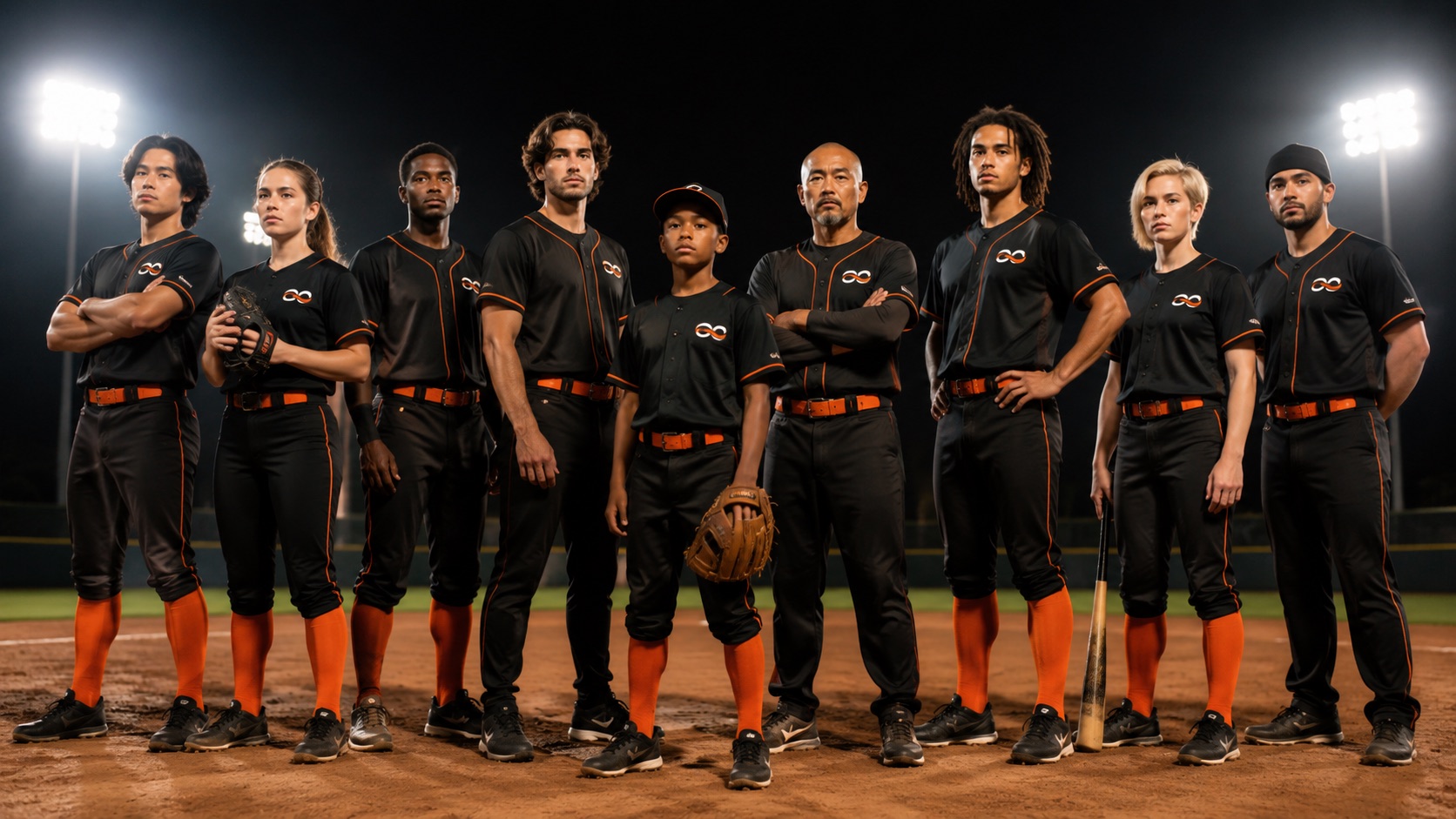
Custom Baseball Uniforms, Cap to Stirrup
Full-button and two-button jerseys, knicker or full-length pants with reinforced knees and seat, fitted caps and dugout layers — the whole roster kitted from one supplier.
- 20
- pieces per design
- Minimum order
- 15–20
- working days
- Bulk lead time
- 7–10
- working days
- Sampling
- 4
- export markets
- Shipping to
Home and away.
And the dugout.
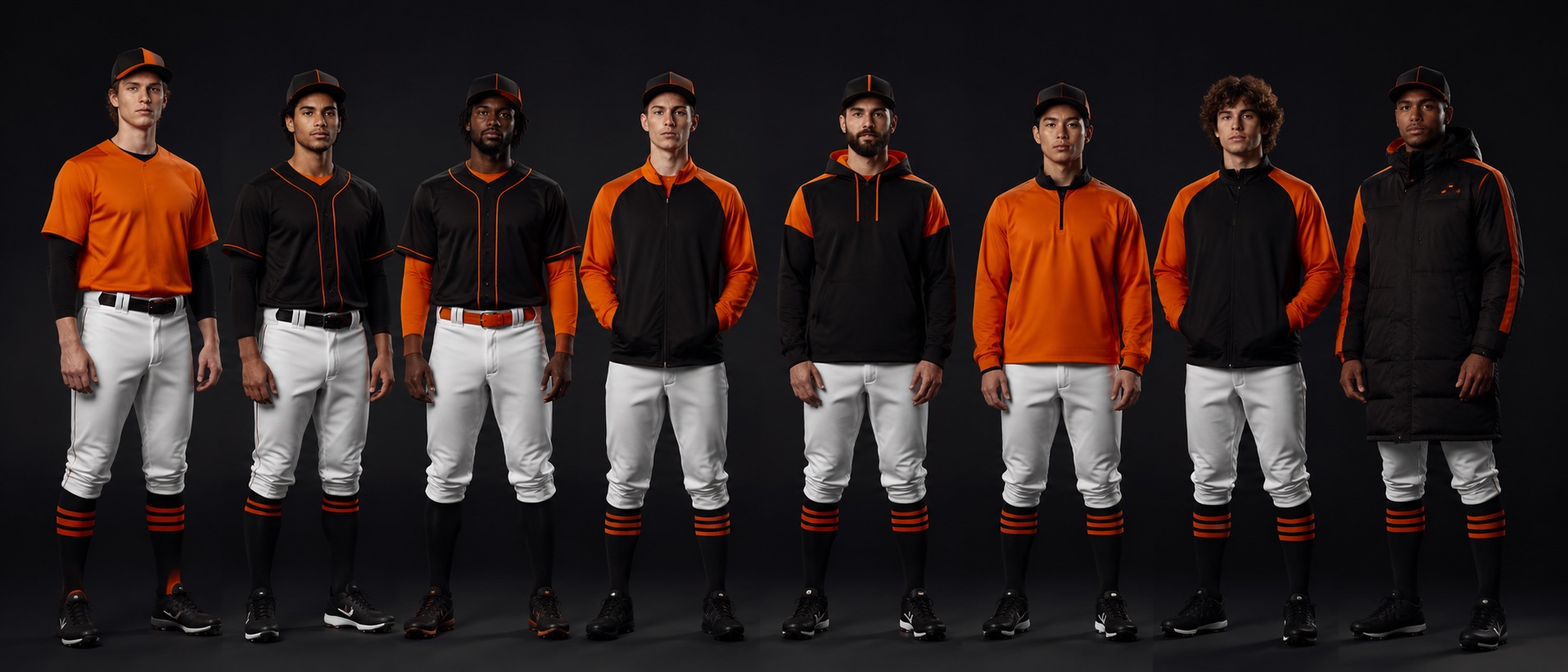
Game uniform in two colourways, batting practice tops, pants that survive a slide, caps and dugout outerwear — one identity across varsity, JV and the development squad.
- Jersey
- Two-Button
- Knickers
- Pants
- Socks
- Cap
- BP Top
- Dugout
- Base
- Bag
The Full Baseball Range
Everything a baseball squad wears, built to one colour standard so the whole range matches season after season.
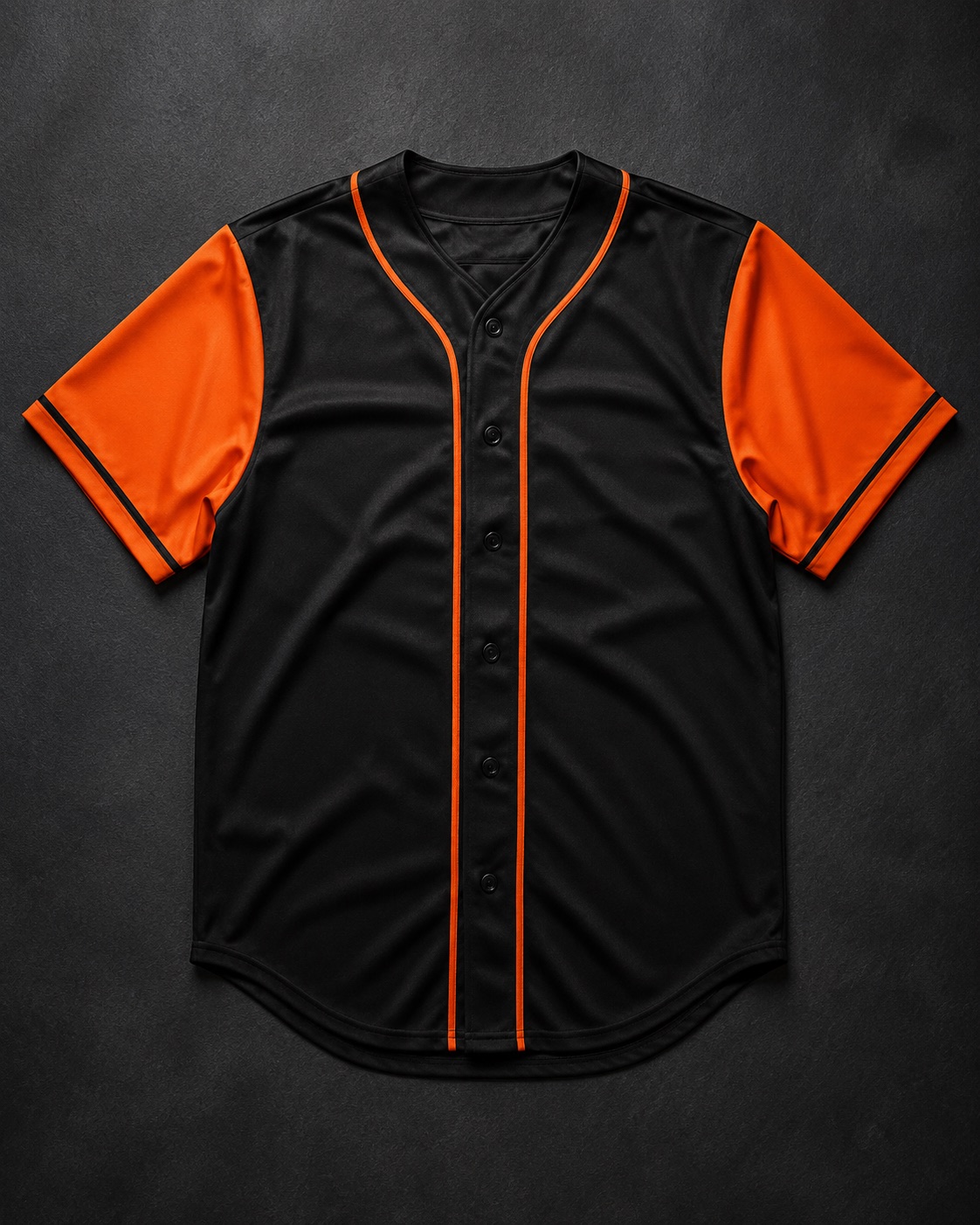 Full-Button Jersey
Traditional placket with buttons through, cut with room to rotate through a swing. Numbers and player names to league specification.
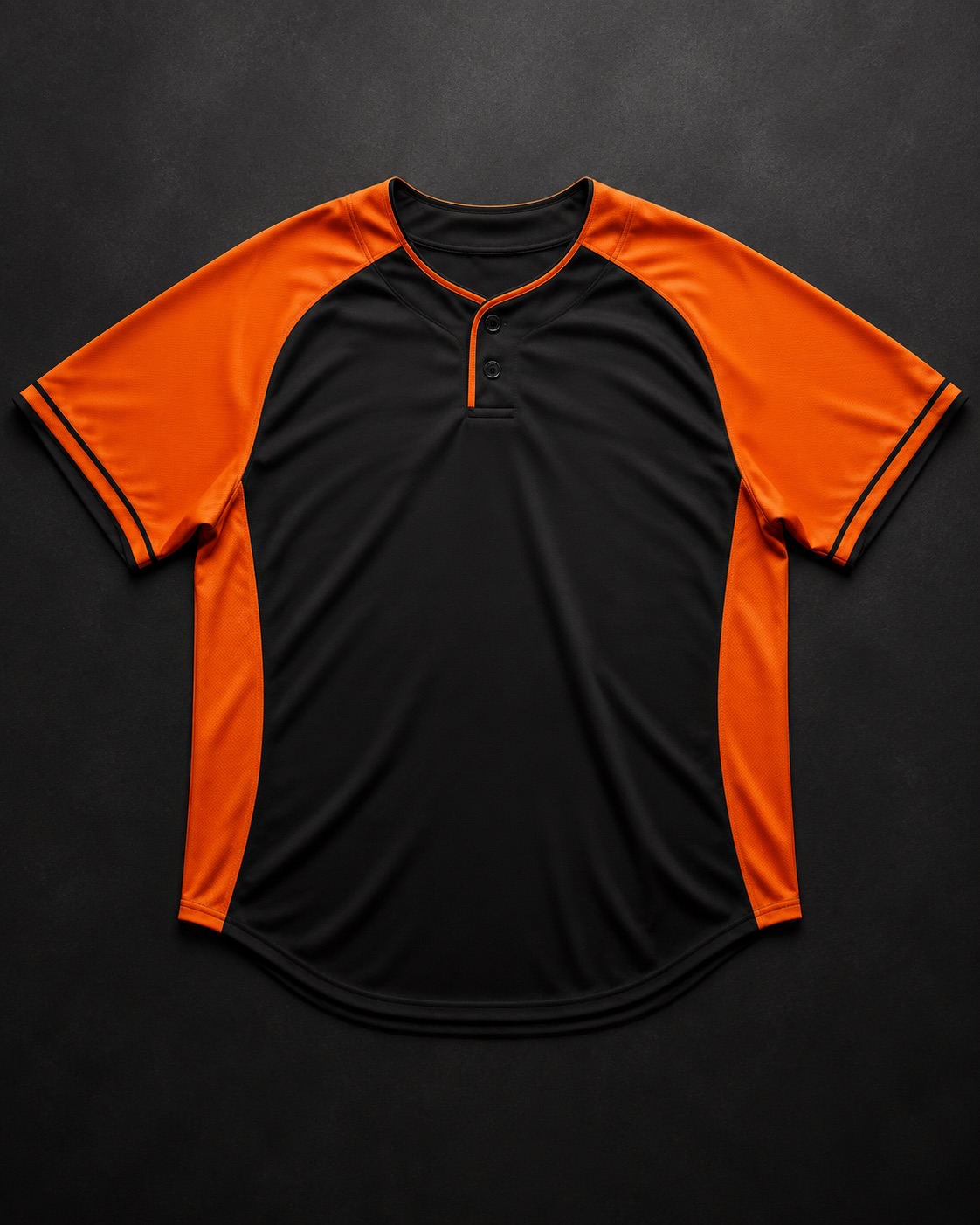 Two-Button Jersey
Lighter pullover alternative with a short placket — popular for youth and BP wear.
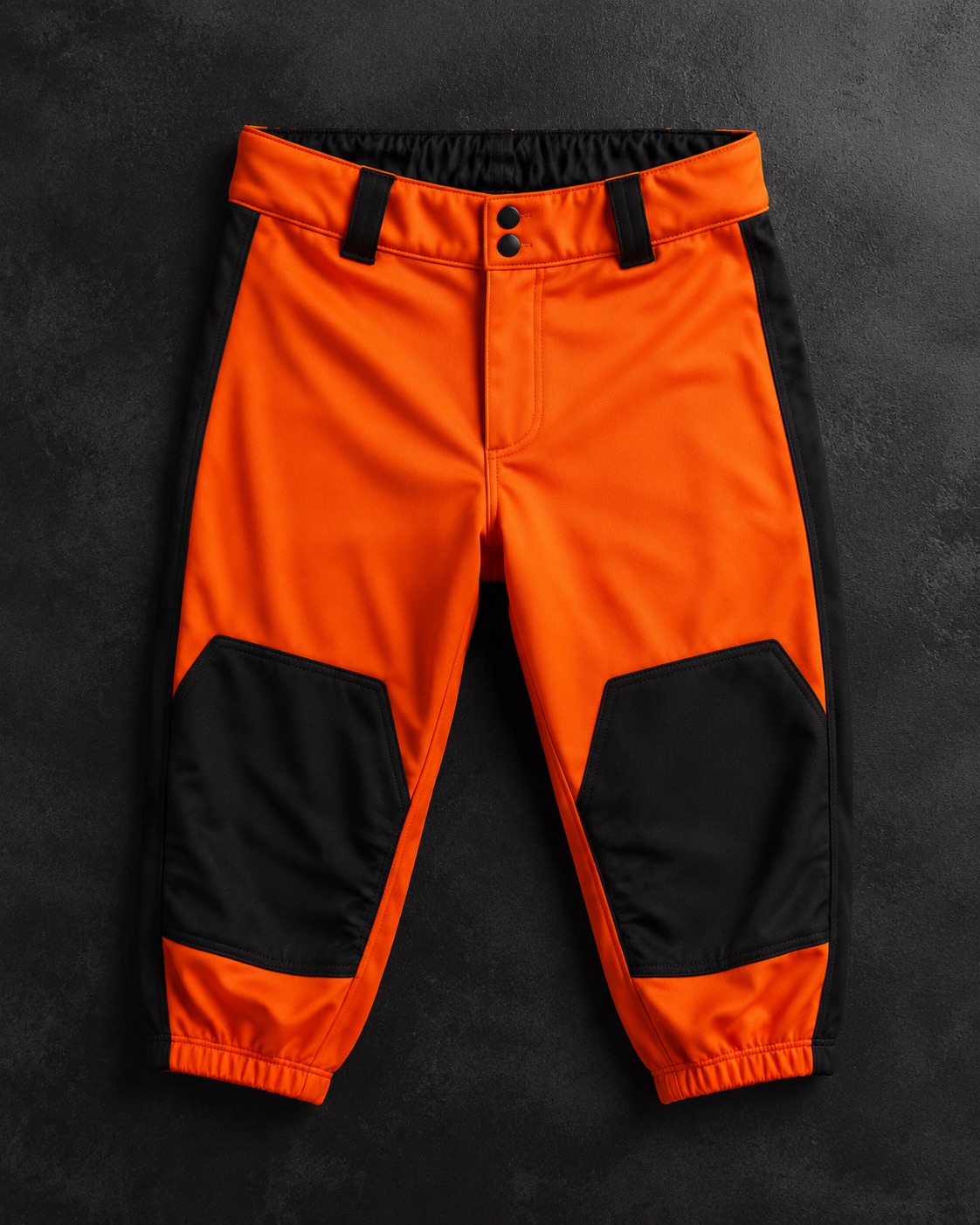 Knicker Pants
Traditional cut finishing below the knee, worn with stirrups or high socks. Reinforced knee and seat.
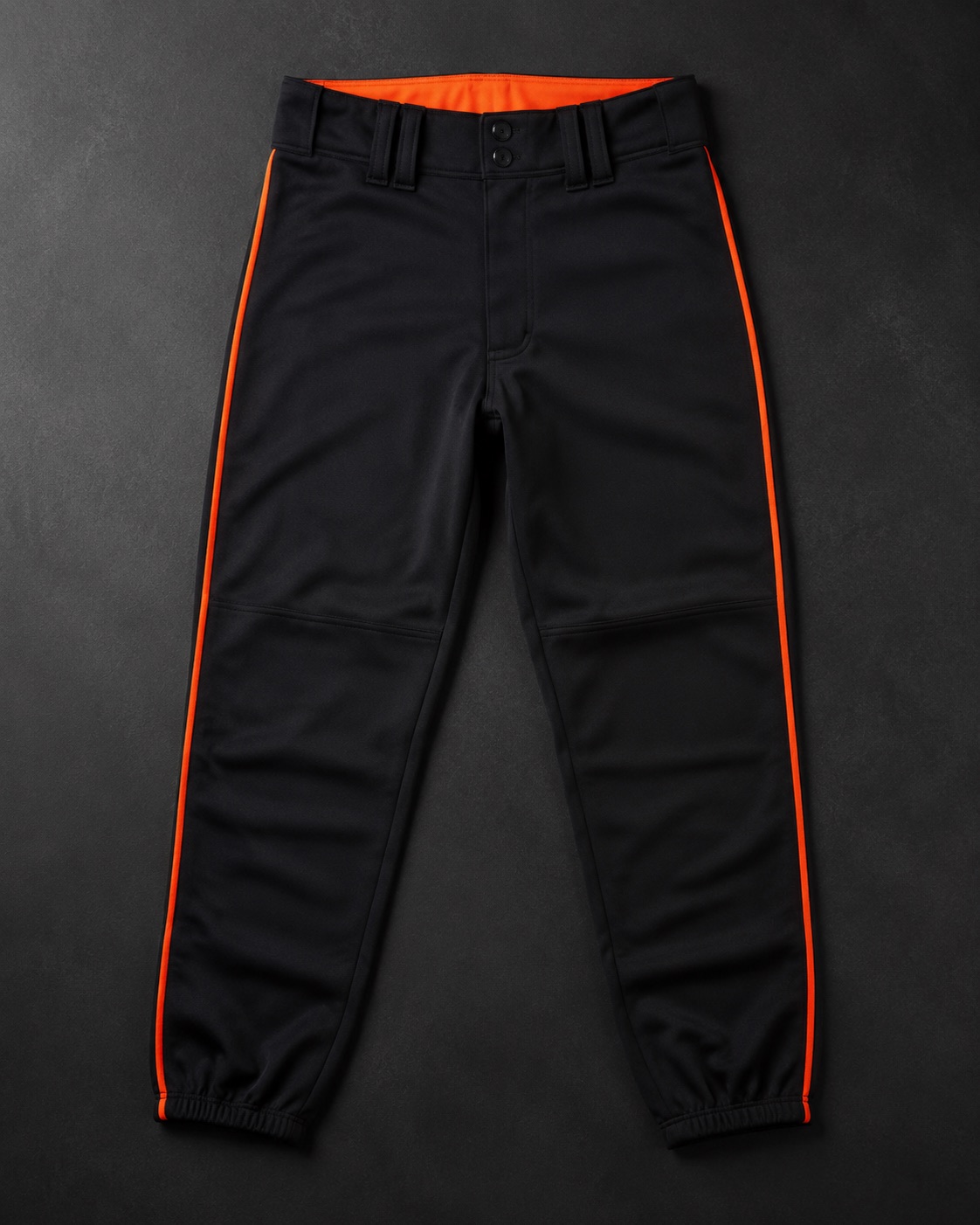 Full-Length Pants
Open or elastic hem, with the same reinforcement at the knee and seat.
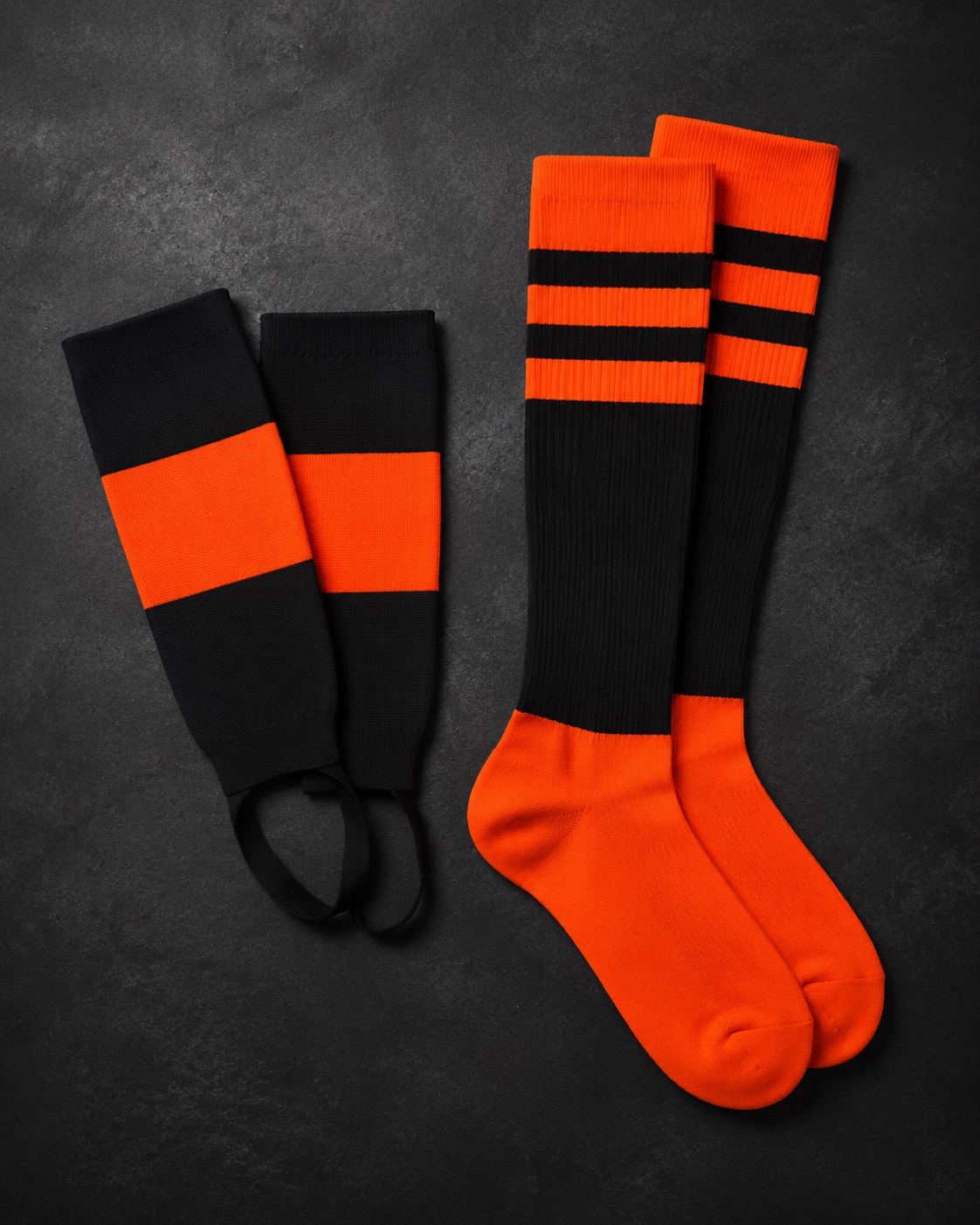 Stirrups & Socks
Traditional stirrups over sanitary socks, or a modern knitted sock in club colours.
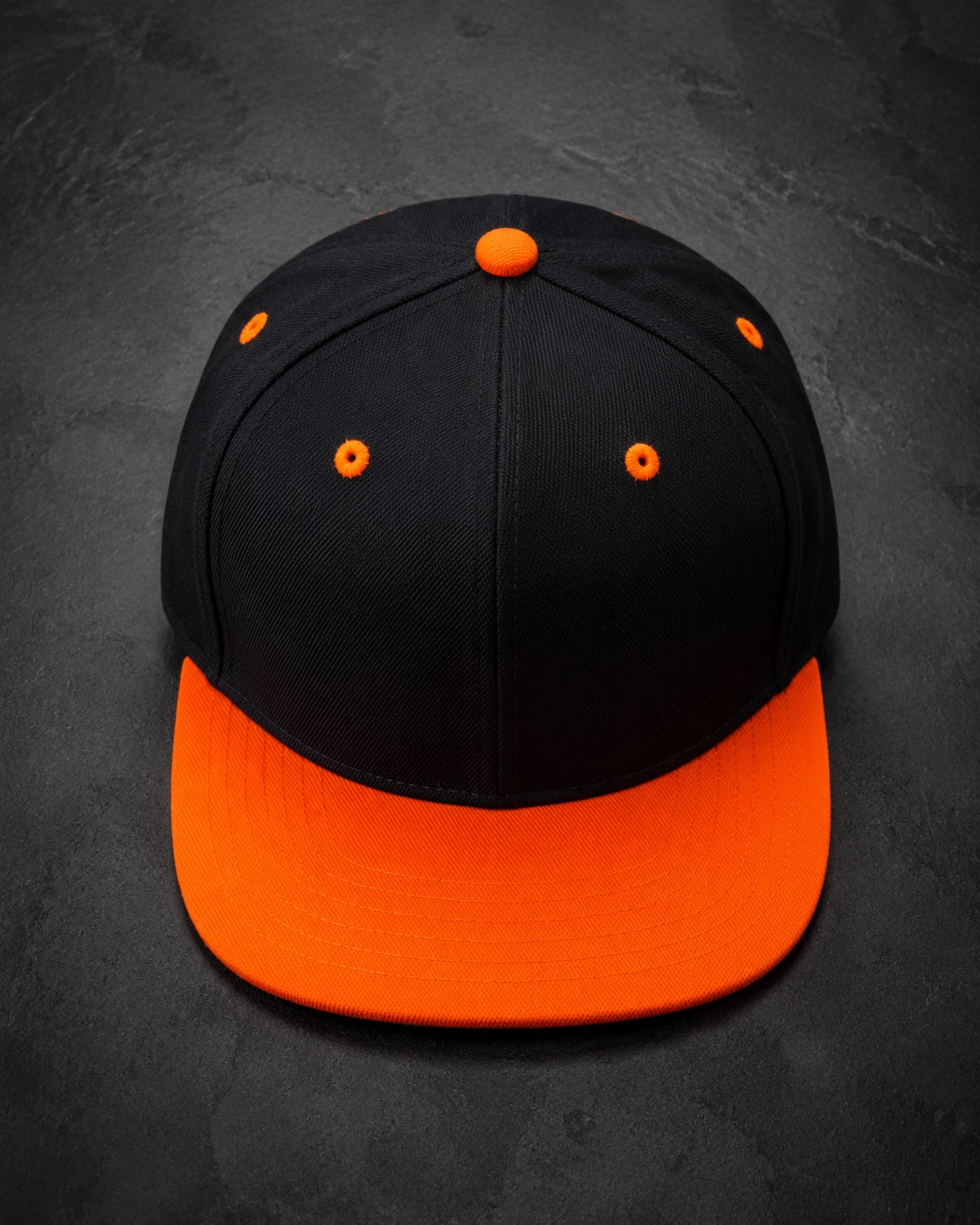 Fitted Cap
Structured six-panel cap with an embroidered front-panel mark and a curved brim.
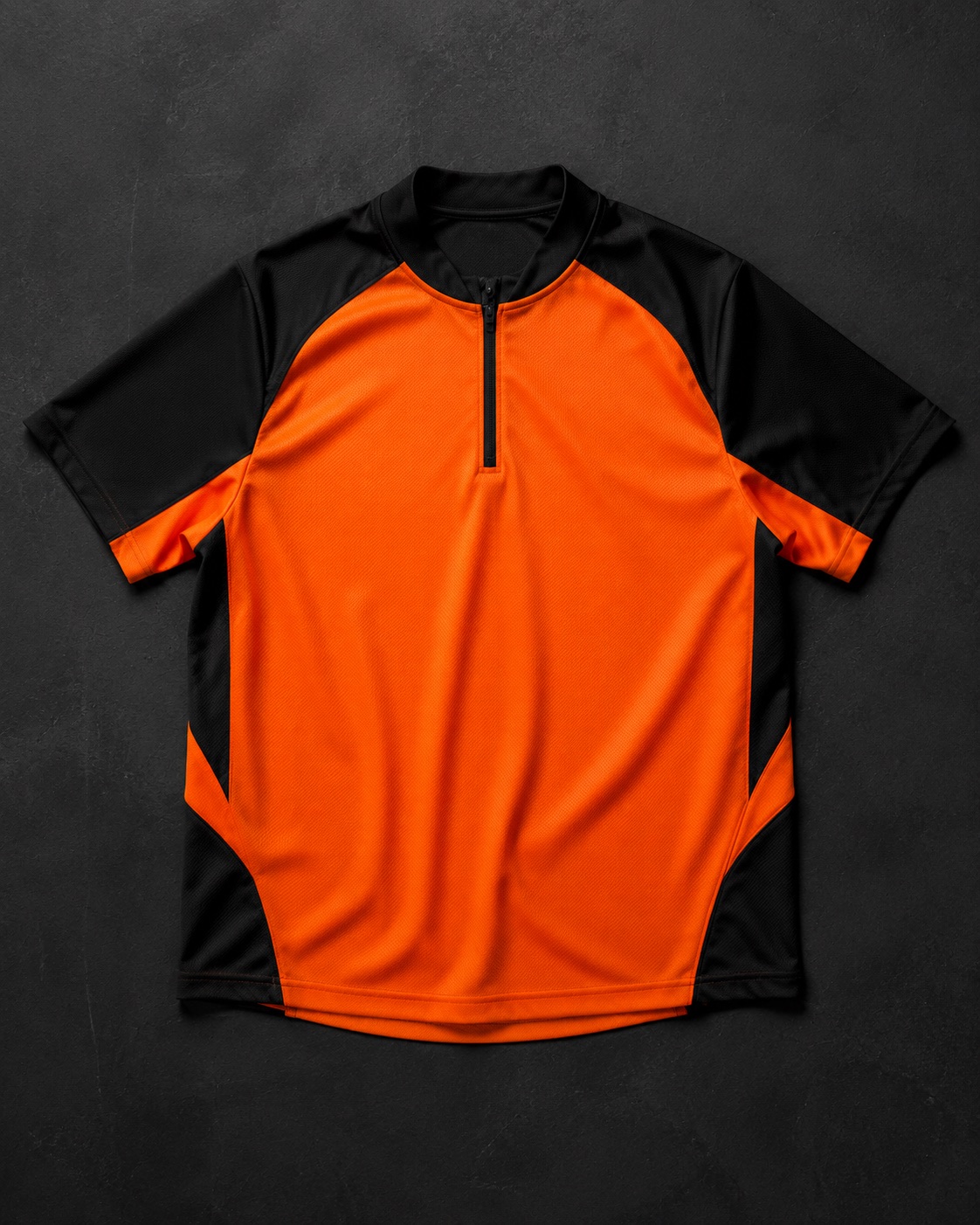 Batting Practice Top
Lightweight mesh pullover for BP and warm-ups, matched to the game uniform.
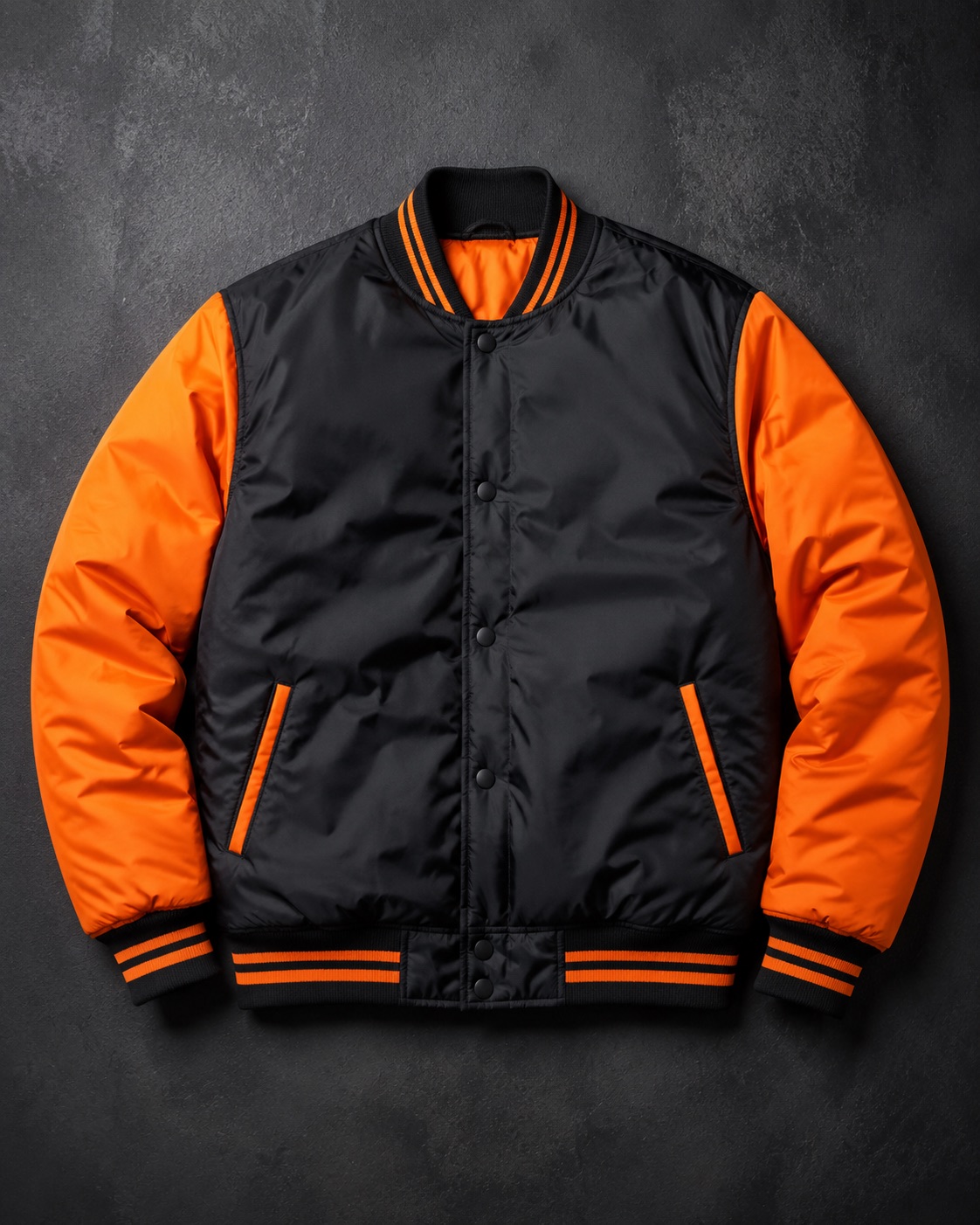 Dugout Jacket
Insulated bench jacket for pitchers and the bench through a long cold game.
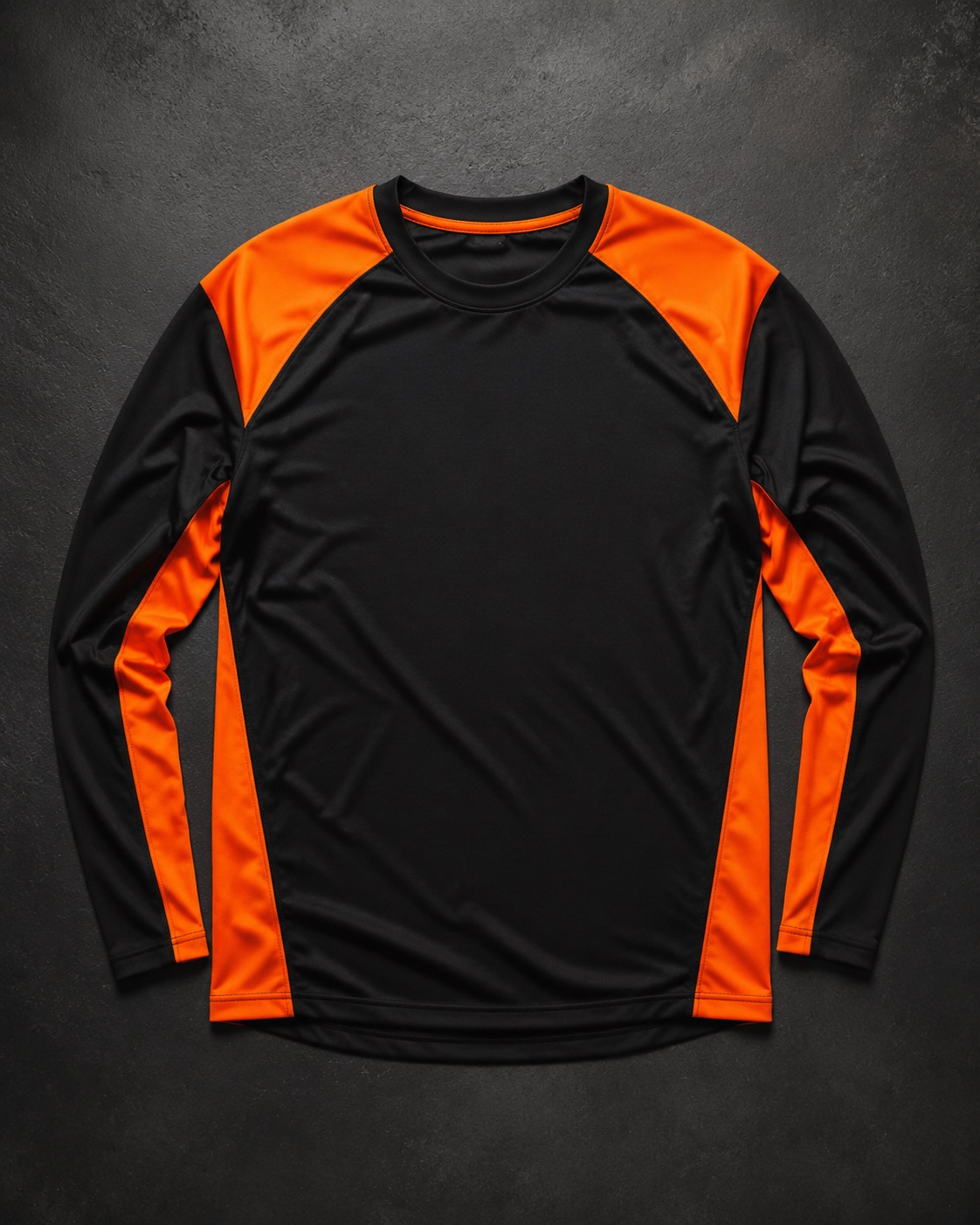 Compression Base Layer
Sleeved base layer worn under the jersey — note the pitcher restrictions below.
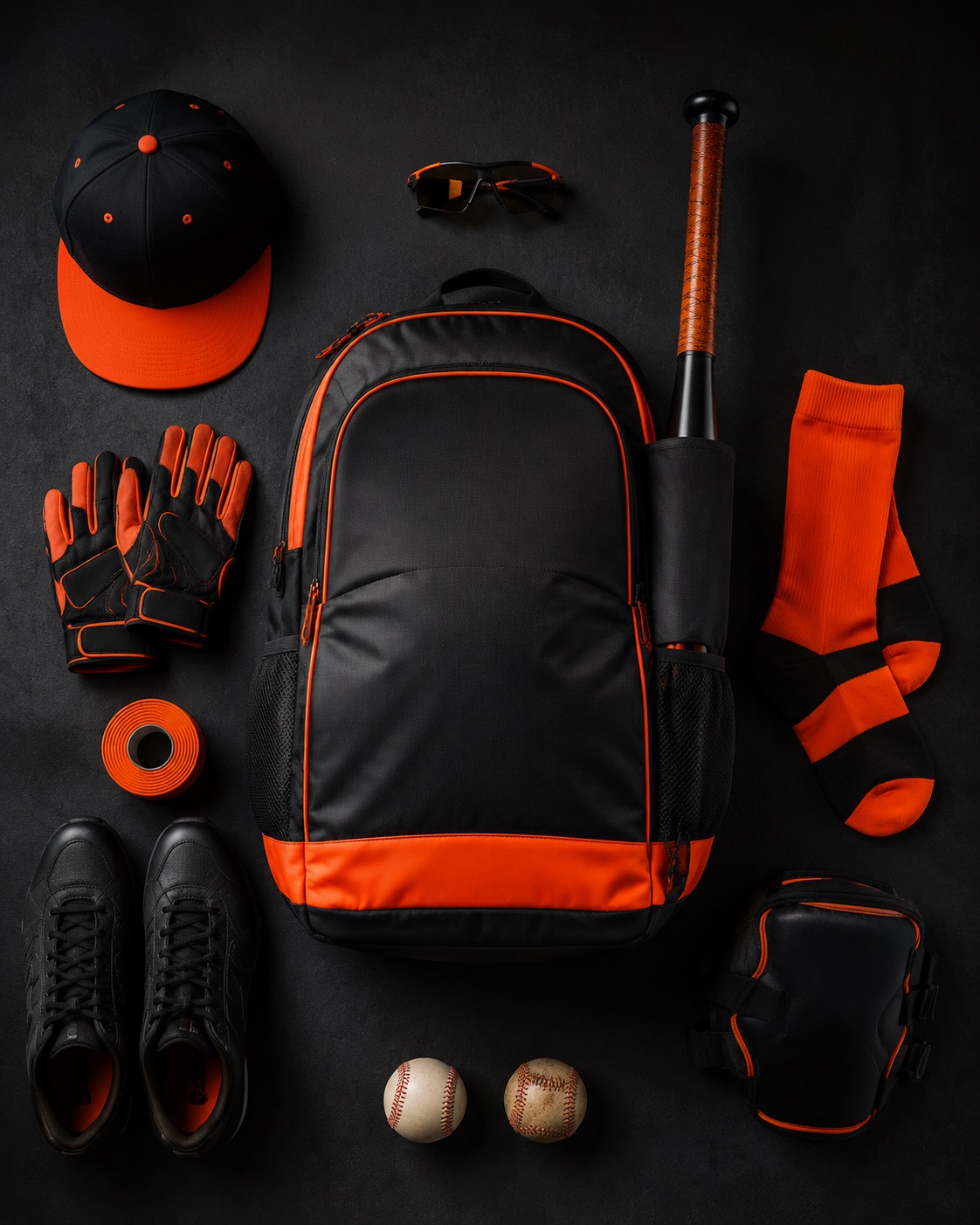 Equipment Bag
Wheeled or backpack, sized for a bat, helmet, glove and cleats.
Customisation Options
Every decoration method below runs in our own factory, so we can mix them on one garment without shipping it out and adding a week to your lead time.
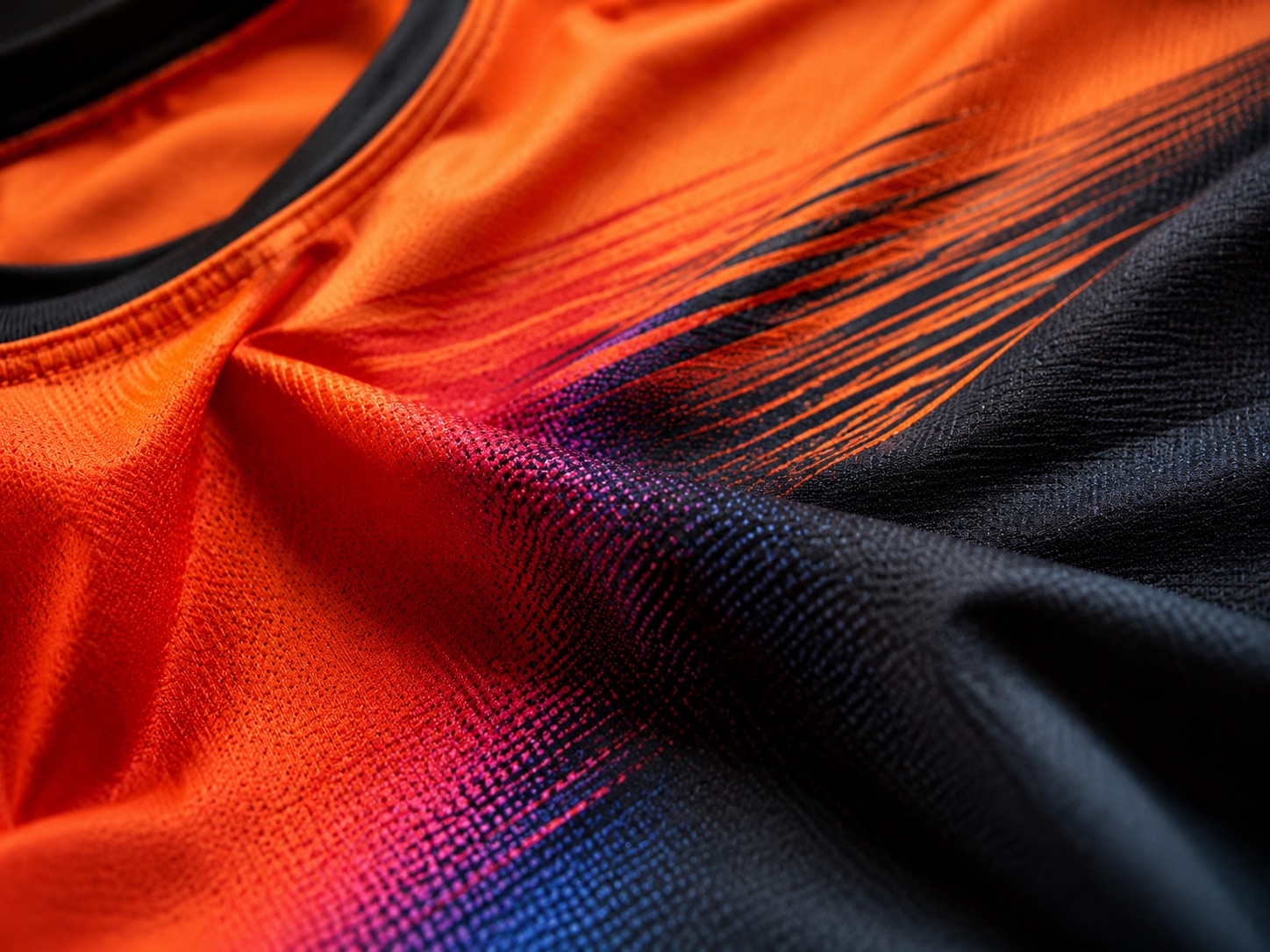
Sublimation Printing
For full-colour jerseys, BP tops and gradient designs. The ink sits inside the fibre, so nothing cracks on a garment that gets slid in and washed after every game.
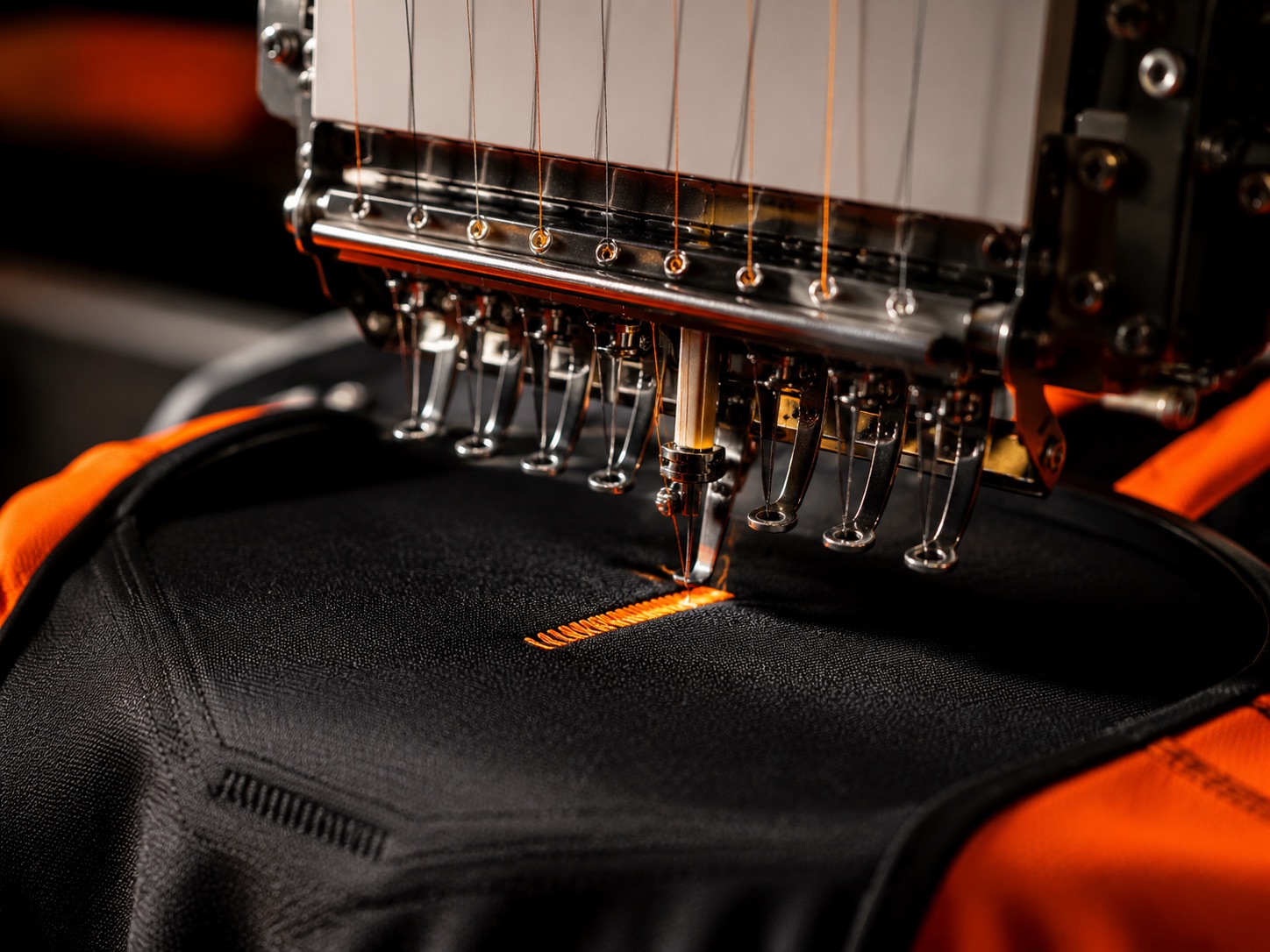
Embroidery
The traditional baseball finish — caps, chest marks and dugout jackets. A twill-and-embroidery chest mark is what most programmes expect on a full-button jersey.
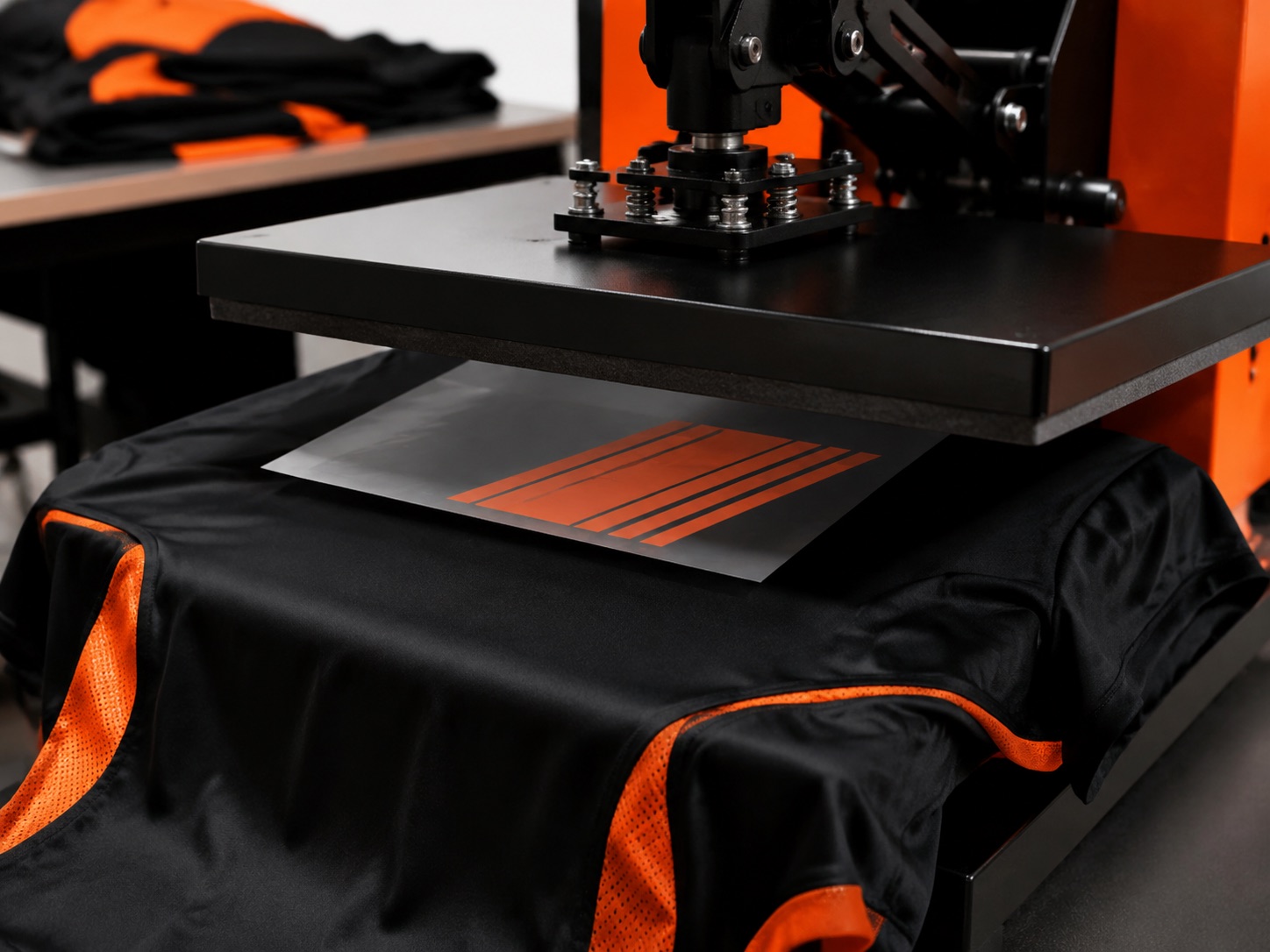
DTF Transfer
For numbers, player names and roster changes applied after make-up, with strong wash durability.
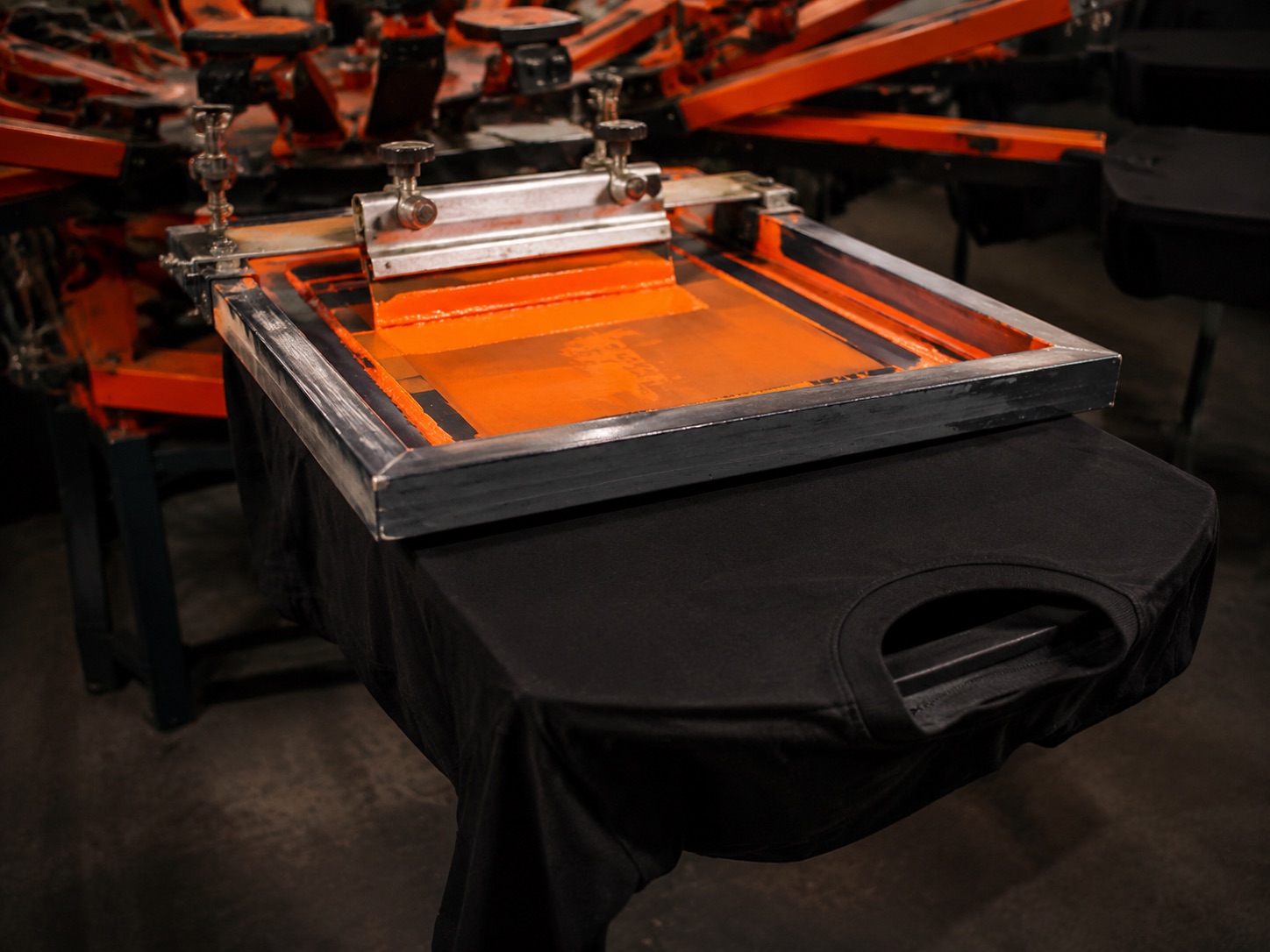
Screen Printing
Economical for large runs of supporter, camp and fundraiser tees.
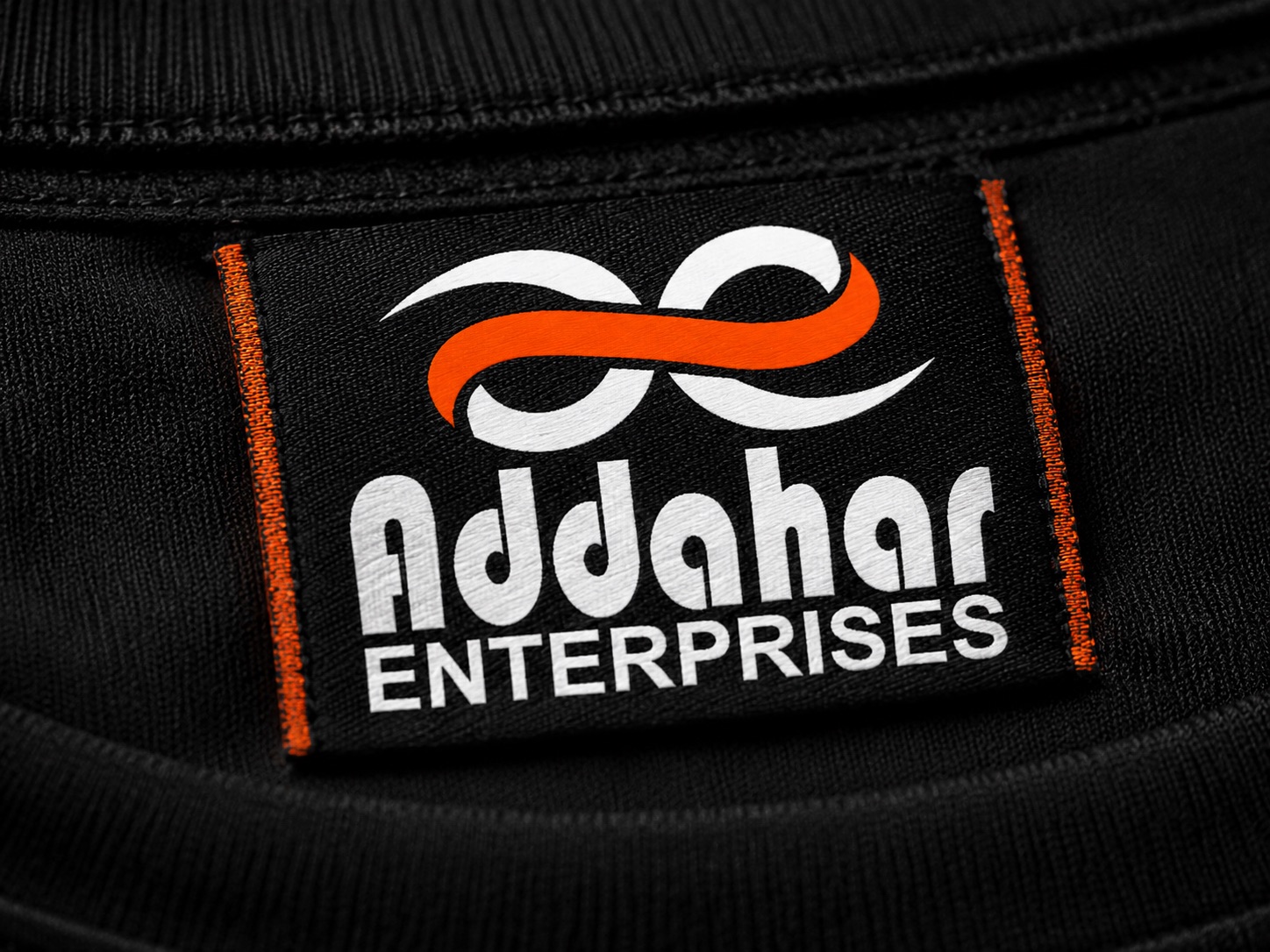
Woven Labels & Trims
Neck labels, hem tabs and care labels in your own branding.
Design it yourself in the Kit Builder
Coming soonPick a template, drop in your colours and crest, and see the kit rendered before you commit. Save the design and send it straight through as a quote request.
Fabric selection
Every Fabric We Run for Baseball
Not a highlight reel — this is the full working list, including the trims and secondary materials that decide whether a kit survives a season. Weights are the ranges we actually run; the exact specification is fixed at sampling.
Only polyester can be sublimated — and it must start white
Dye sublimation bonds ink into polyester fibres, so it cannot be used on cotton, on nylon, or on fabric that has already been dyed dark. If your design needs all-over colour, stripes, hoops or gradients, it has to be built on one of the sublimation-ready knits below. Everything else is decorated by embroidery, transfer or screen print instead. Fabrics are tagged accordingly.
Game uniform — jerseys
5 optionsCut for rotation through a swing. Weight matters less than recovery here, because the jersey is worn for three hours over a base layer.
 Sub
SubInterlock Polyester
140–165 gsm
Premium jerseys and designs with fine detail or gradients
 Sub
SubBird's Eye / Honeycomb Mesh
135–155 gsm
The classic team jersey knit — our most-ordered fabric
 Sub
SubMicro Mesh / Pin-hole
115–140 gsm
Ventilation panels and full kits for hot climates
 Sub
SubDull Polyester Micro-fibre
145–165 gsm
Shorts and staff wear where a non-shiny finish is wanted
 Sub
SubPoly-Spandex (4-way stretch)
175–200 gsm
Pro/slim-fit jerseys, base layers and compression
Pants — the part that fails first
3 optionsBaseball pants are slid in on dirt. We build them in a heavier warp knit with reinforcement at the knee and seat, because that is where they go, not at the seams.
 Sub
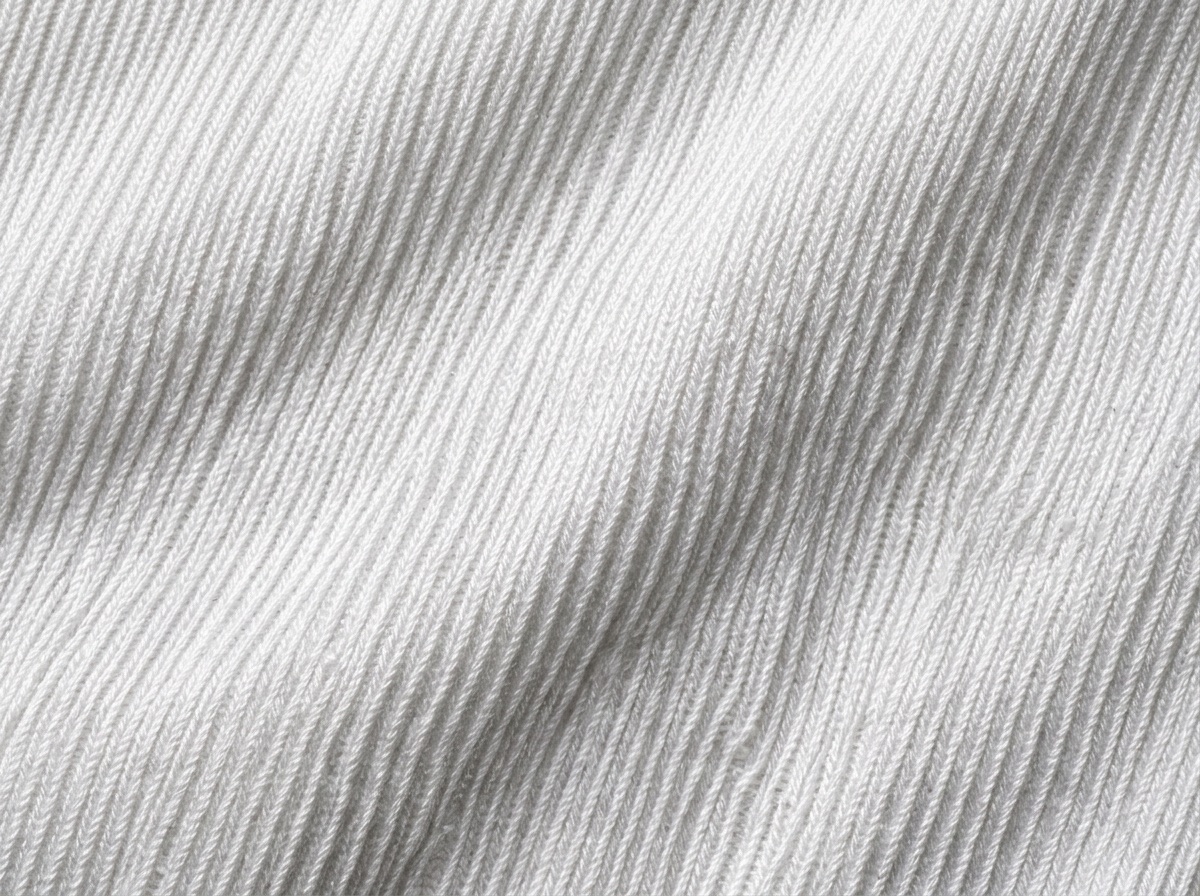
SubPoly Tricot (Warp Knit)
150–170 gsm
Shorts and training pants
 Sub
SubDazzle Tricot
160–180 gsm
Basketball and American football shorts
 Sub
SubHeavyweight Rugby Knit
220–260 gsm
Tight-fit rugby match jerseys built to survive contact
Training & mid-layer
3 optionsWarmer constructions for midweek sessions and the walk out. Decorated by embroidery or transfer rather than all-over print.
 Sub
SubBrushed Poly Fleece
240–280 gsm
Quarter-zip drill tops and warm-up layers
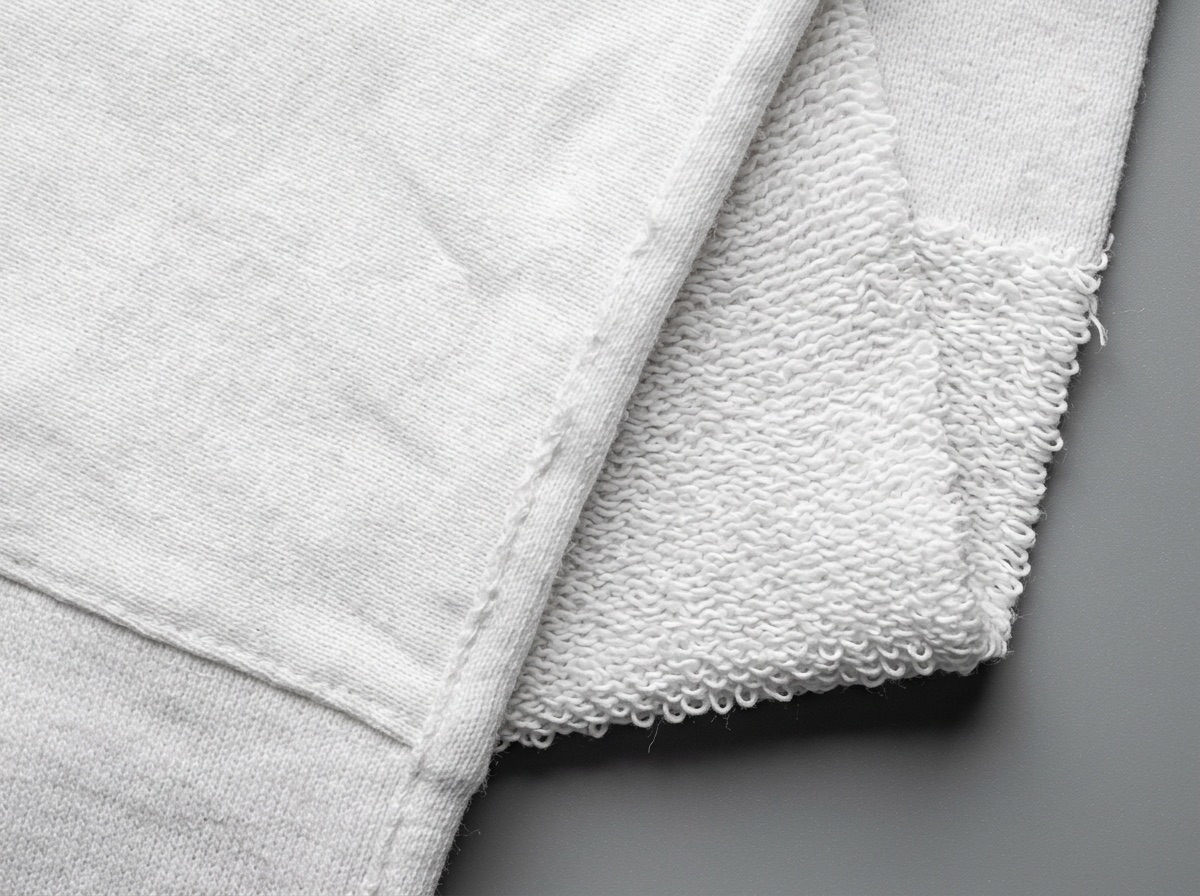
French Terry (poly-cotton)
280–320 gsm
Club hoodies, crew sweats and travel wear
 Sub
SubTricot, Brushed Back
200–230 gsm
Training pants and tracksuit bottoms
Outerwear
3 optionsWeather layers for the bench and travel. Woven, not knitted — so decoration is embroidery or heat transfer only.
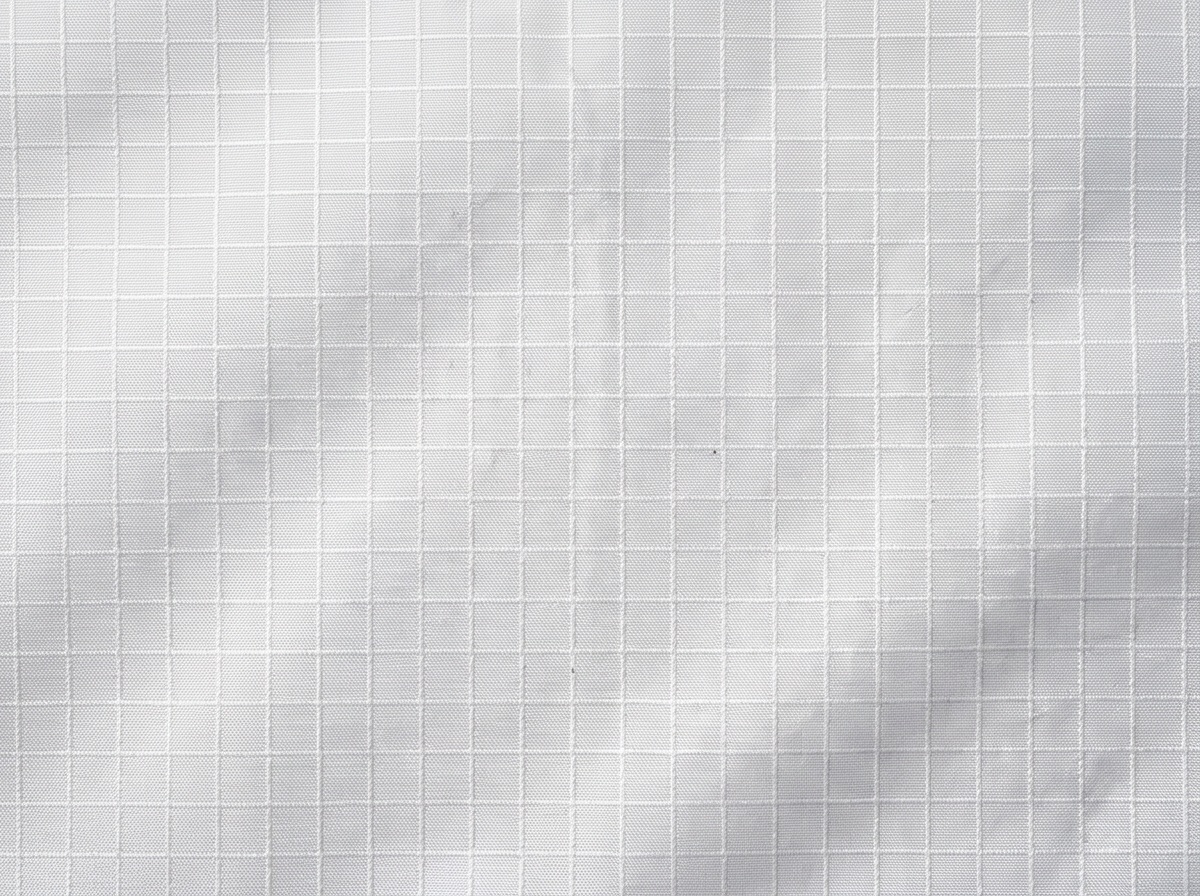
Ripstop Shell
80–110 gsm
Rain jackets and packable shells
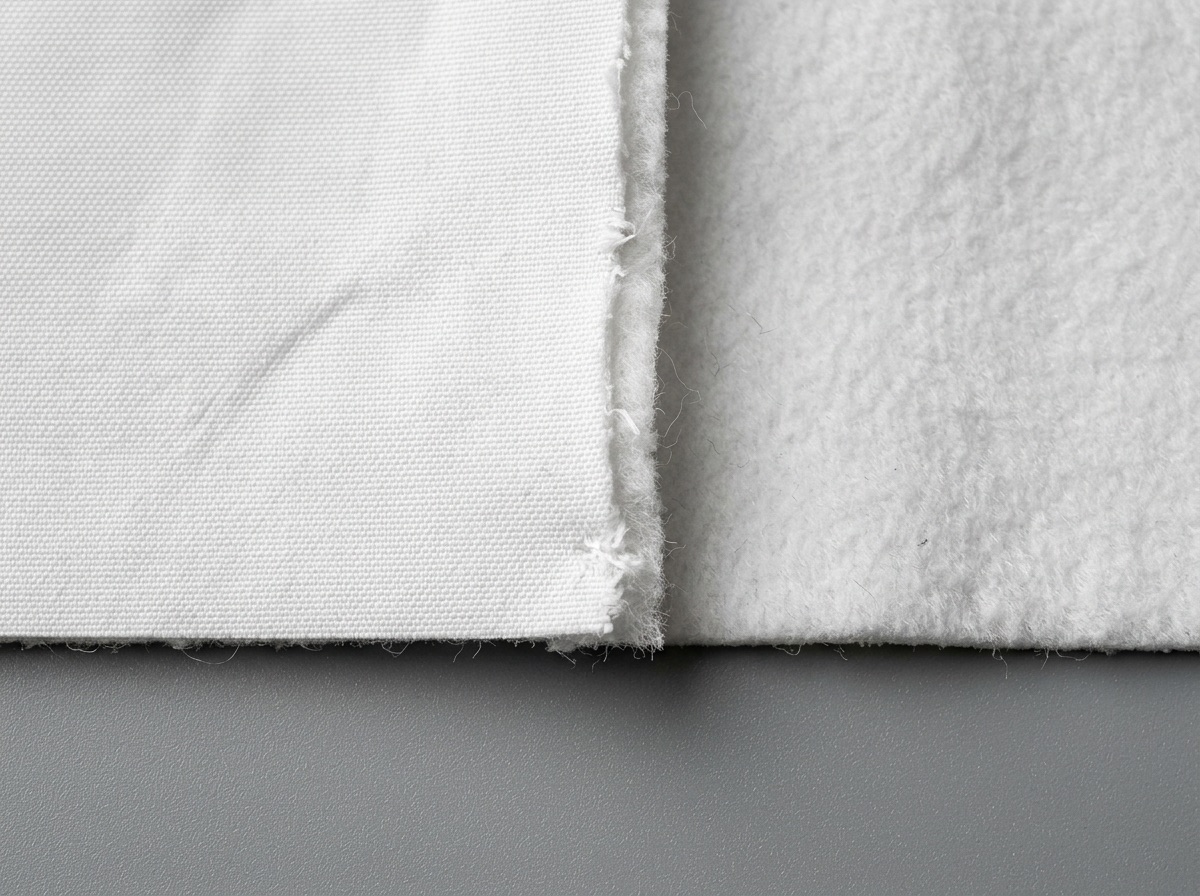
Bonded Softshell
260–300 gsm
Technical bench and staff jackets
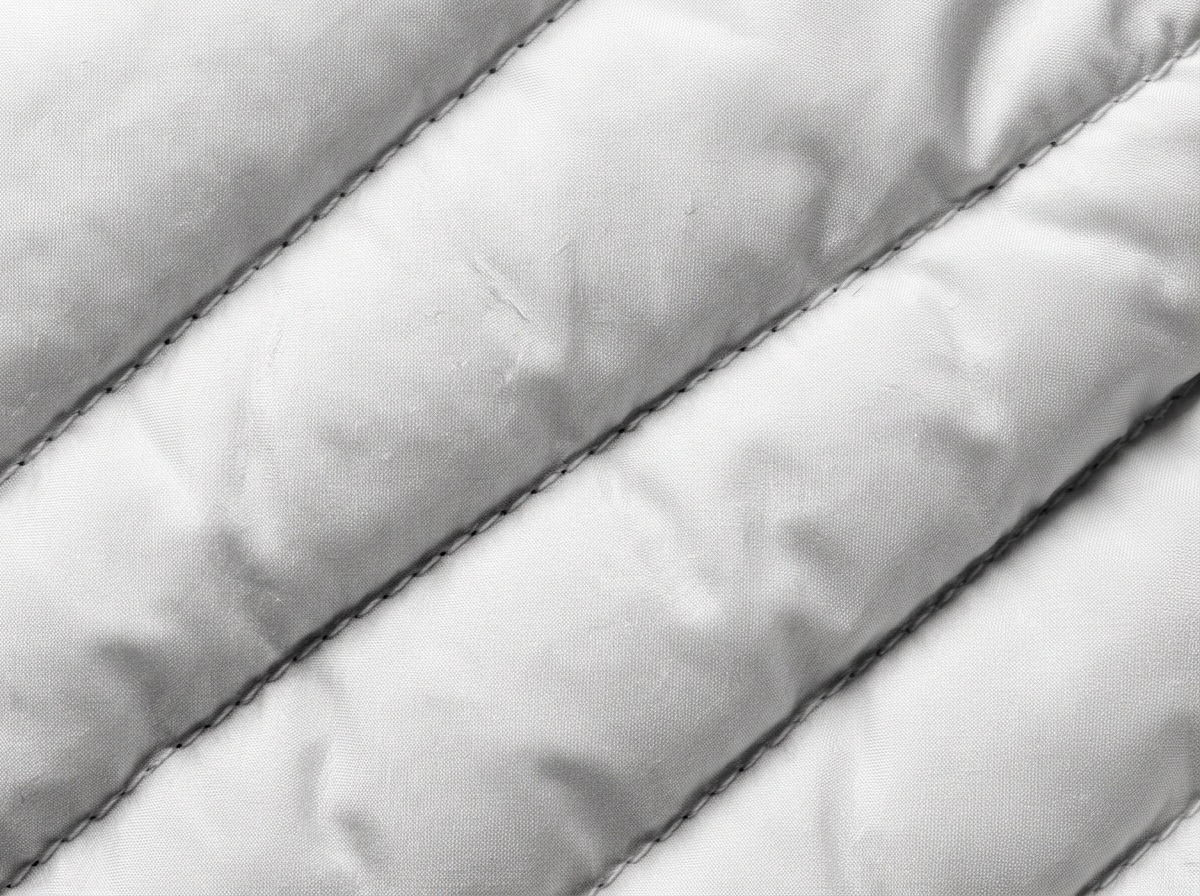
Quilted Wadding & Taffeta
100–200 gsm fill
Bench coats and cold-weather outerwear
Trims & secondary materials
4 optionsEasy to overlook, and the first things to fail on a cheap kit. Specified on every order, not treated as an afterthought.
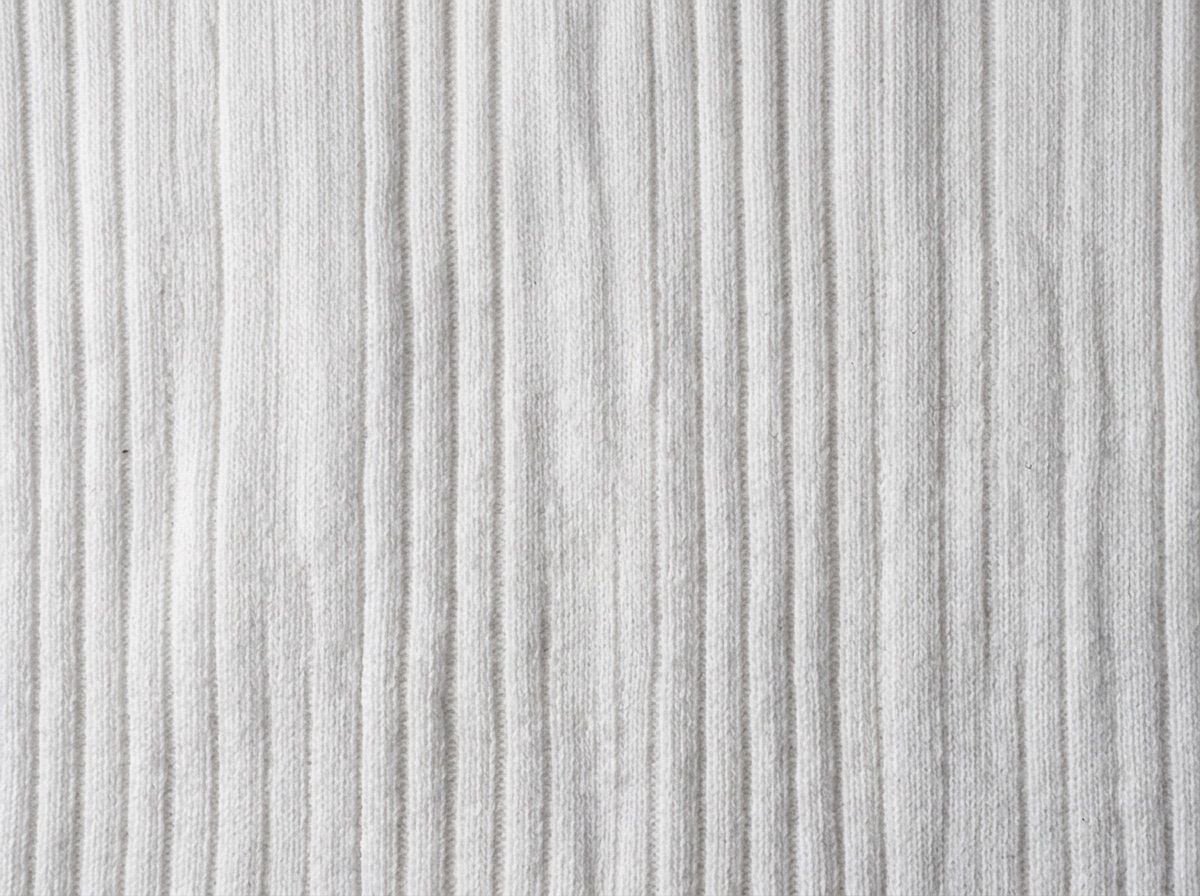
1×1 Rib Knit
220–260 gsm
Collars, cuffs and hem bands
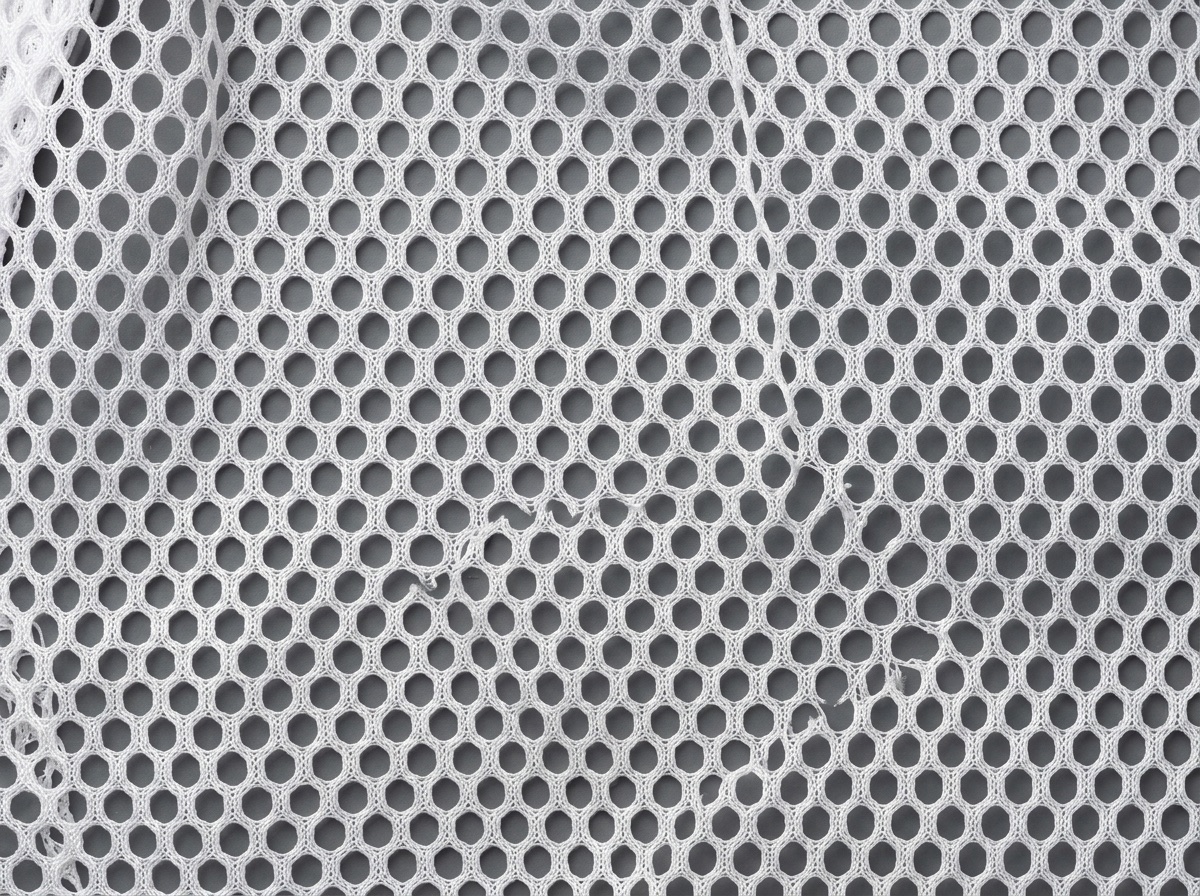
Mesh Lining
60–80 gsm
Short and jacket linings, inner briefs
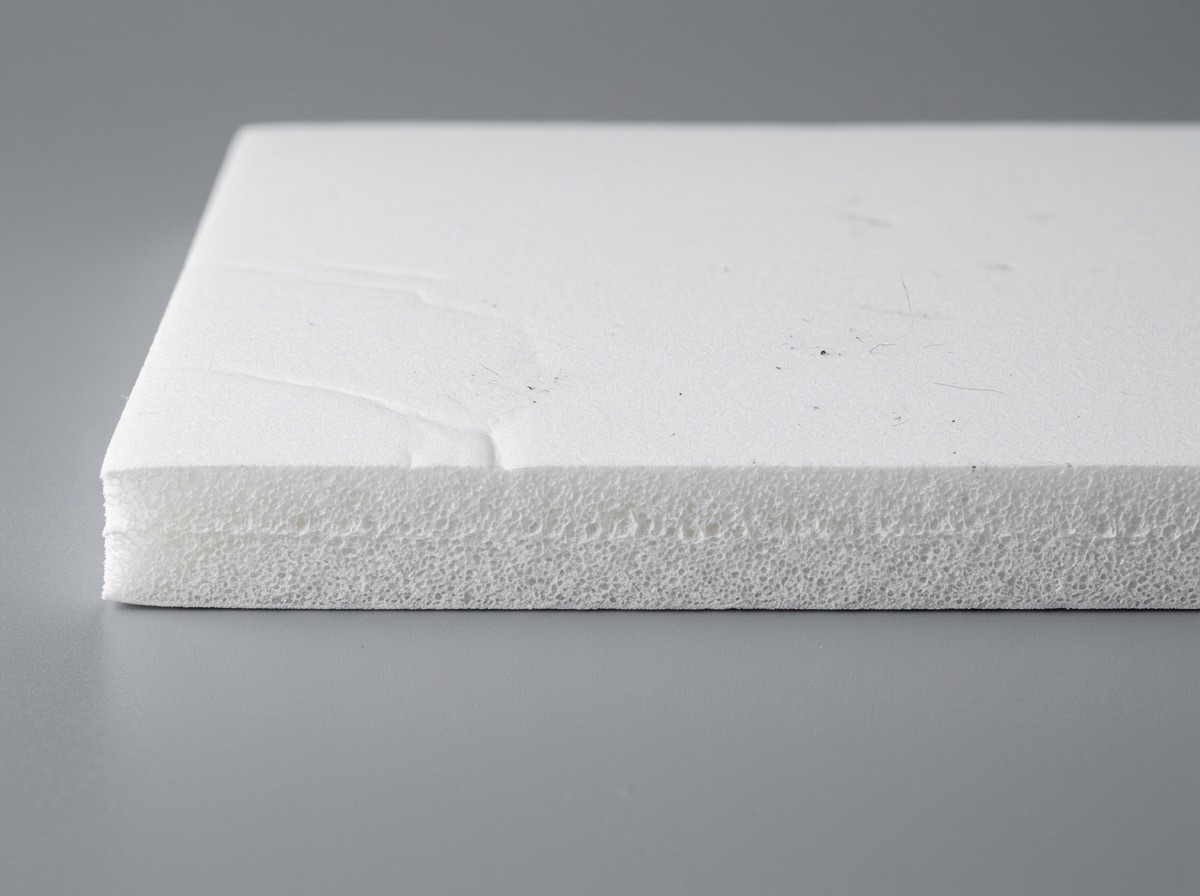
EVA Foam Padding
3–6 mm
Goalkeeper and contact-sport protective panels
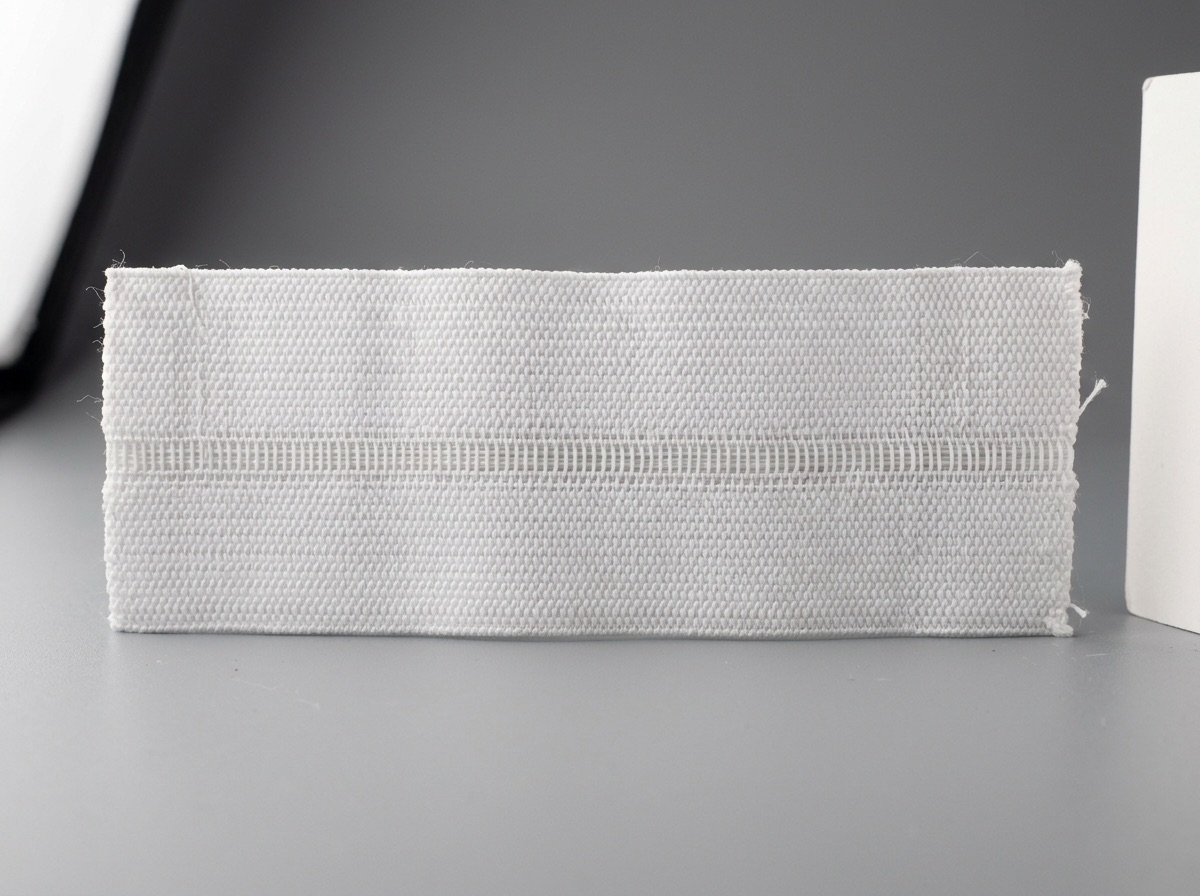
Elastic Waistband Tape
30–40 mm wide
Shorts and training pant waistbands
Socks & stirrups
1 optionKnitted from yarn rather than cut, so specified by blend and gauge.
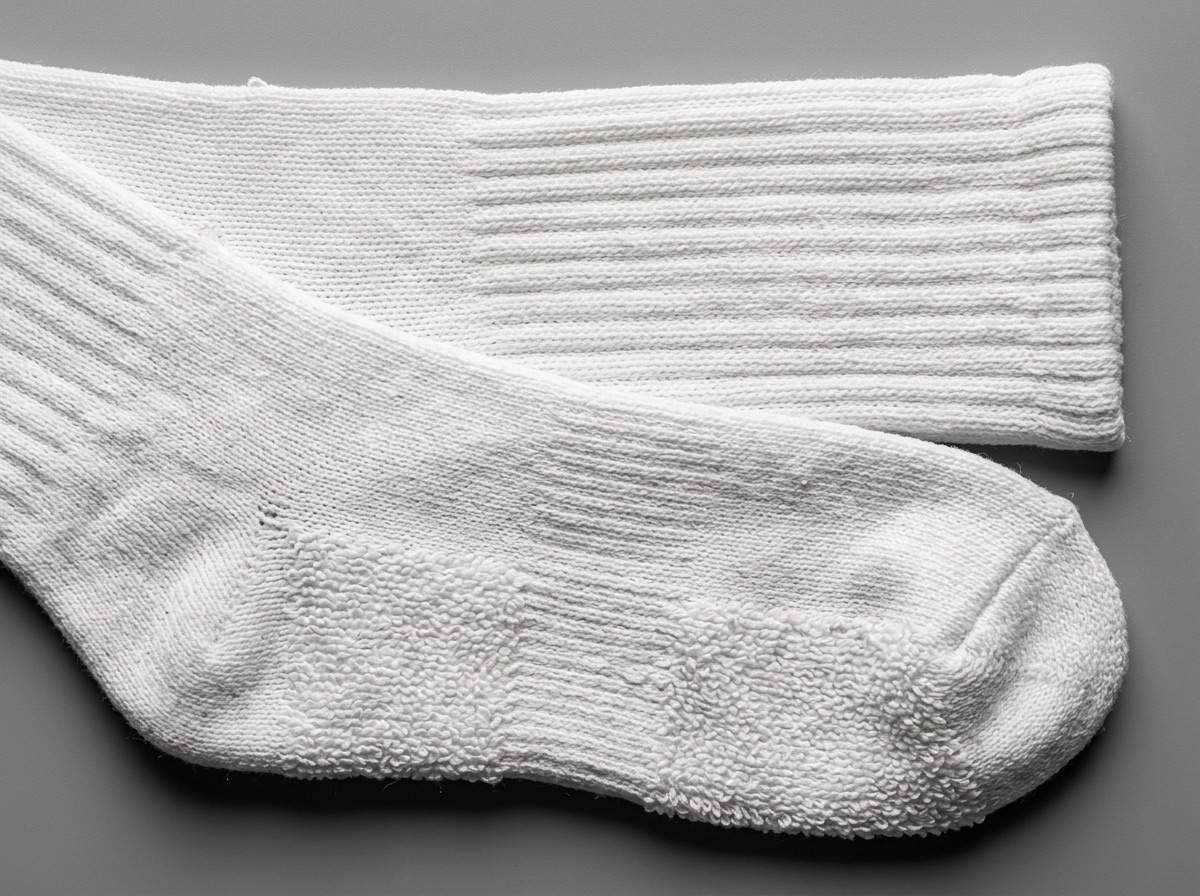
Nylon / Acrylic / Spandex Yarn
200 needle
Match and training socks in club colours
Sustainable option
1 optionPerformance identical to virgin polyester. Increasingly required by European buyers who must evidence their supply chain.
 Sub
SubRecycled rPET Interlock
140–165 gsm
Clubs and brands with a sustainability commitment to document
Full technical specification — all 20 materials
| Material | Group | Weight | Properties | Best for | Sublimation |
|---|---|---|---|---|---|
| Interlock Polyester | Game uniform — jerseys | 140–165 gsm | Smooth double-knit, identical both faces, sharpest print clarity | Premium jerseys and designs with fine detail or gradients | Yes |
| Bird's Eye / Honeycomb Mesh | Game uniform — jerseys | 135–155 gsm | Textured pin-hole knit, high airflow, hides creasing | The classic team jersey knit — our most-ordered fabric | Yes |
| Micro Mesh / Pin-hole | Game uniform — jerseys | 115–140 gsm | Open perforated structure, maximum ventilation, very light | Ventilation panels and full kits for hot climates | Yes |
| Dull Polyester Micro-fibre | Game uniform — jerseys | 145–165 gsm | Peached matte surface, no sheen, soft hand | Shorts and staff wear where a non-shiny finish is wanted | Yes |
| Poly-Spandex (4-way stretch) | Game uniform — jerseys | 175–200 gsm | Four-way stretch with shape recovery, close body fit | Pro/slim-fit jerseys, base layers and compression | Yes |
| Poly Tricot (Warp Knit) | Pants — the part that fails first | 150–170 gsm | Fine vertical ribs, matte face, excellent drape, run-resistant | Shorts and training pants | Yes |
| Dazzle Tricot | Pants — the part that fails first | 160–180 gsm | Ribbed lustrous warp knit with a distinctive sheen | Basketball and American football shorts | Yes |
| Heavyweight Rugby Knit | Pants — the part that fails first | 220–260 gsm | Dense knit with high tensile strength and bonded seam capability | Tight-fit rugby match jerseys built to survive contact | Yes |
| Brushed Poly Fleece | Training & mid-layer | 240–280 gsm | Raised brushed nap inside, smooth knit face, warm and light | Quarter-zip drill tops and warm-up layers | Yes |
| French Terry (poly-cotton) | Training & mid-layer | 280–320 gsm | Looped inner face, stable, soft, holds shape | Club hoodies, crew sweats and travel wear | No |
| Tricot, Brushed Back | Training & mid-layer | 200–230 gsm | Smooth outer face with a brushed reverse for warmth | Training pants and tracksuit bottoms | Yes |
| Ripstop Shell | Outerwear | 80–110 gsm | Wind and water resistant, tear-resistant grid, packs small | Rain jackets and packable shells | No |
| Bonded Softshell | Outerwear | 260–300 gsm | Woven face bonded to fleece backing, wind-blocking, structured | Technical bench and staff jackets | No |
| Quilted Wadding & Taffeta | Outerwear | 100–200 gsm fill | Insulating polyfill quilted between shell and lining | Bench coats and cold-weather outerwear | No |
| 1×1 Rib Knit | Trims & secondary materials | 220–260 gsm | Elastic ribbed knit with strong recovery | Collars, cuffs and hem bands | No |
| Mesh Lining | Trims & secondary materials | 60–80 gsm | Fine open net, breathable, low bulk | Short and jacket linings, inner briefs | No |
| EVA Foam Padding | Trims & secondary materials | 3–6 mm | Closed-cell foam, impact absorbing, washable | Goalkeeper and contact-sport protective panels | No |
| Elastic Waistband Tape | Trims & secondary materials | 30–40 mm wide | Woven elastic with rubber threads, holds tension after washing | Shorts and training pant waistbands | No |
| Nylon / Acrylic / Spandex Yarn | Socks & stirrups | 200 needle | Cushioned terry footbed, arch compression, ribbed turnover | Match and training socks in club colours | No |
| Recycled rPET Interlock | Sustainable option | 140–165 gsm | Made from post-consumer bottles, GRS-certifiable, prints identically | Clubs and brands with a sustainability commitment to document | Yes |
Need something not listed? We source to specification. Browse the full fabric library or send us a swatch to match.
Sizing Charts
Garment measurements, taken flat, in centimetres. If you are ordering for a squad you have not measured, request a size set first — it costs far less than re-running a production batch.
Adult jersey
cm| Size | Chest | Length |
|---|---|---|
| S | 52 | 73 |
| M | 55 | 75 |
| L | 58 | 77 |
| XL | 61 | 79 |
| 2XL | 64 | 81 |
| 3XL | 67 | 83 |
Garment measured flat. Cut with room across the back for an unrestricted swing.
Youth jersey
cm| Size | Chest | Length |
|---|---|---|
| 7–8y | 38 | 54 |
| 9–10y | 41 | 59 |
| 11–12y | 44 | 64 |
| 13–14y | 47 | 69 |
Sized by age band for little league and development squads.
Pants
cm| Size | Waist | Length |
|---|---|---|
| S | 37 | 46 |
| M | 40 | 48 |
| L | 43 | 50 |
| XL | 46 | 52 |
| 2XL | 49 | 54 |
Waist is relaxed flat, doubled. Length shown is the knicker inseam — full-length runs roughly 25 cm longer.
Get it right first time
How to measure
Measure a garment the squad already wears and compare it to the tables above — it is far more reliable than measuring bodies.
- A
- ChestMeasure flat, 2.5 cm below the armhole, seam to seam. Double it for the full circumference.
- B
- Body lengthFrom the highest point of the shoulder straight down to the hem.
- C
- SleeveFrom the shoulder seam to the sleeve opening.
From Brief to Finished Kit
Every stage happens in our own factory. That is what makes a reorder in January match the kit you approved in August.
 1
1Design & Development
Your artwork or ours. We return a digital mock-up of every garment in the range before anything is cut.
 2
2Pattern & Cut
Graded patterns per size, laid and cut in-house for consistent fit across the whole squad.
 3
3Print & Embroidery
Sublimation, embroidery, DTF and DTG all run under our own roof — no third party, no extra week.
 4
4Sewing
Flatlock and coverstitch construction, with bar tacks at the stress points that fail first.
 5
5Quality Control
Every piece measured and inspected against your approved sample before it is packed.
 6
6Packing & Dispatch
Bagged and labelled per player or per size, then shipped with landed cost confirmed up front.
Detail & Finish
Close up on the construction that decides whether a kit still looks right at the end of the season.
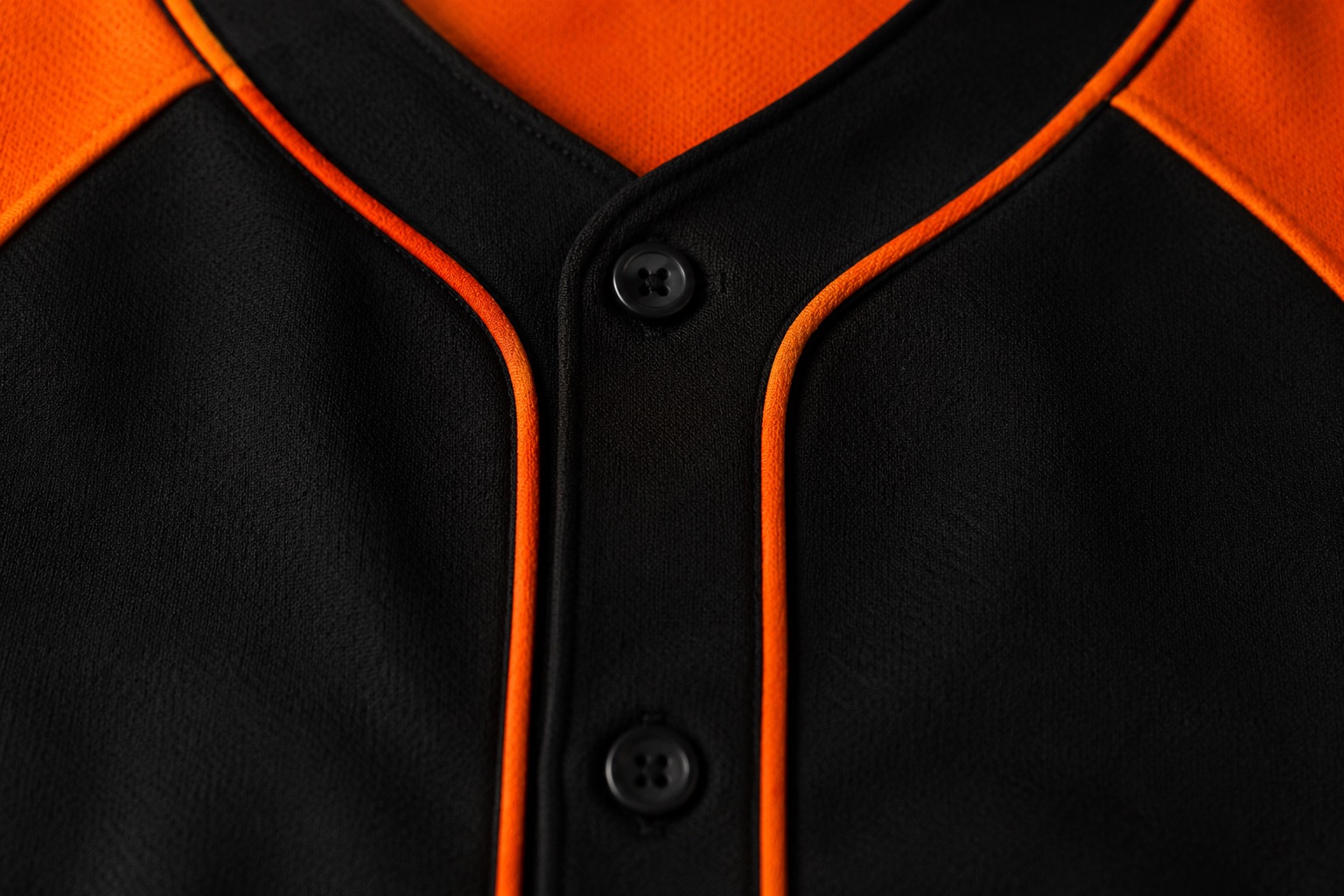
Full-button placket
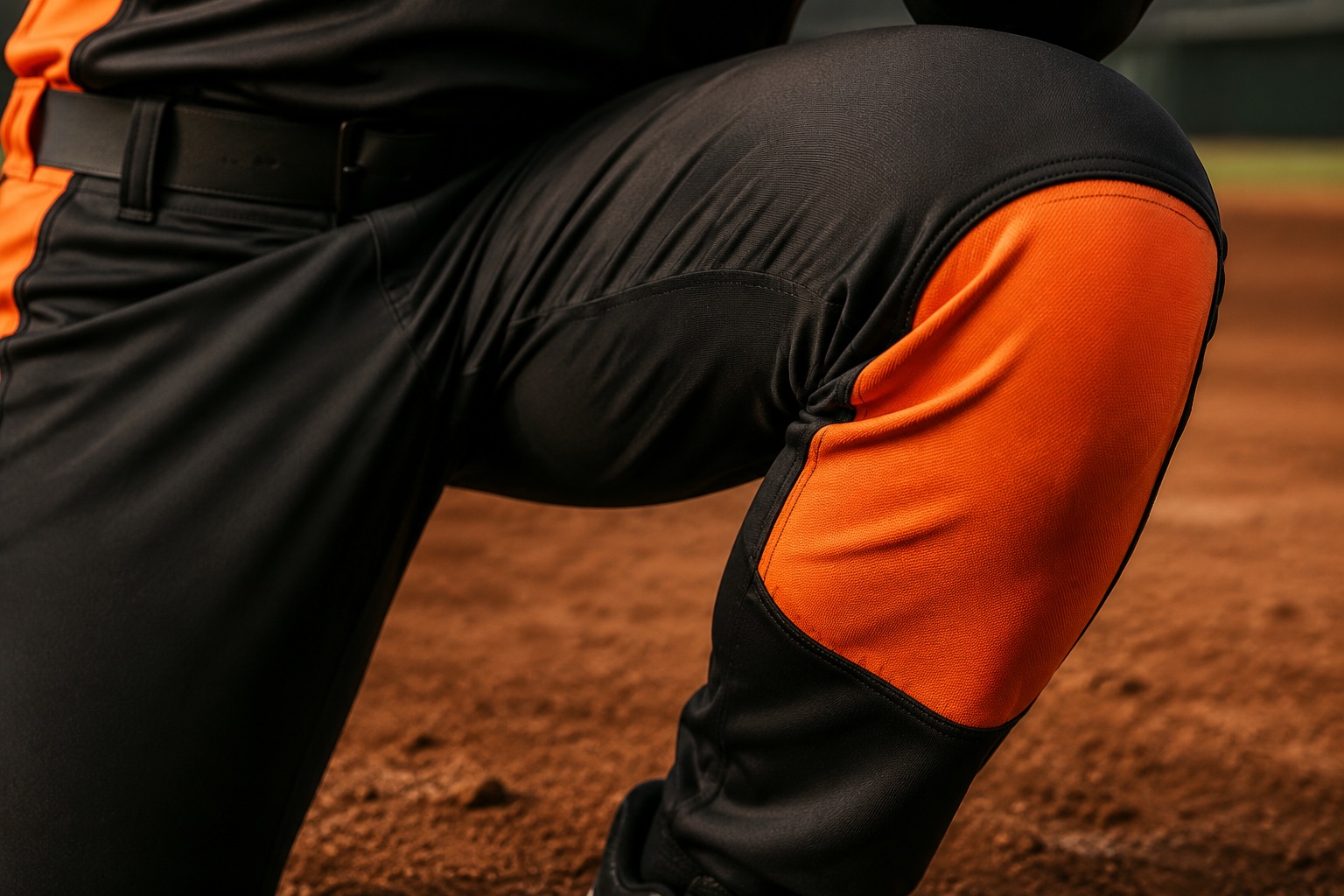
Reinforced knees for the slide
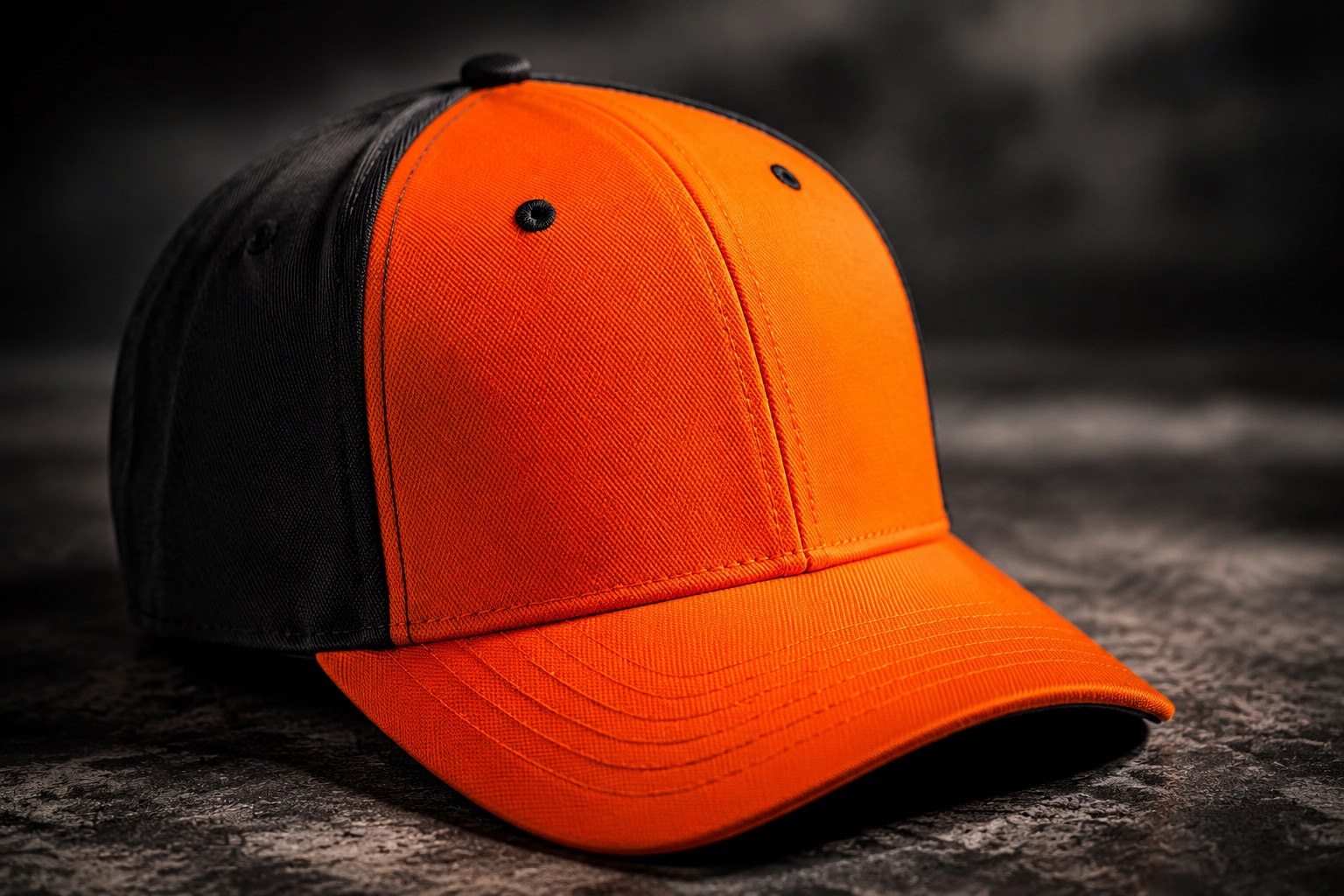
Embroidered front panel
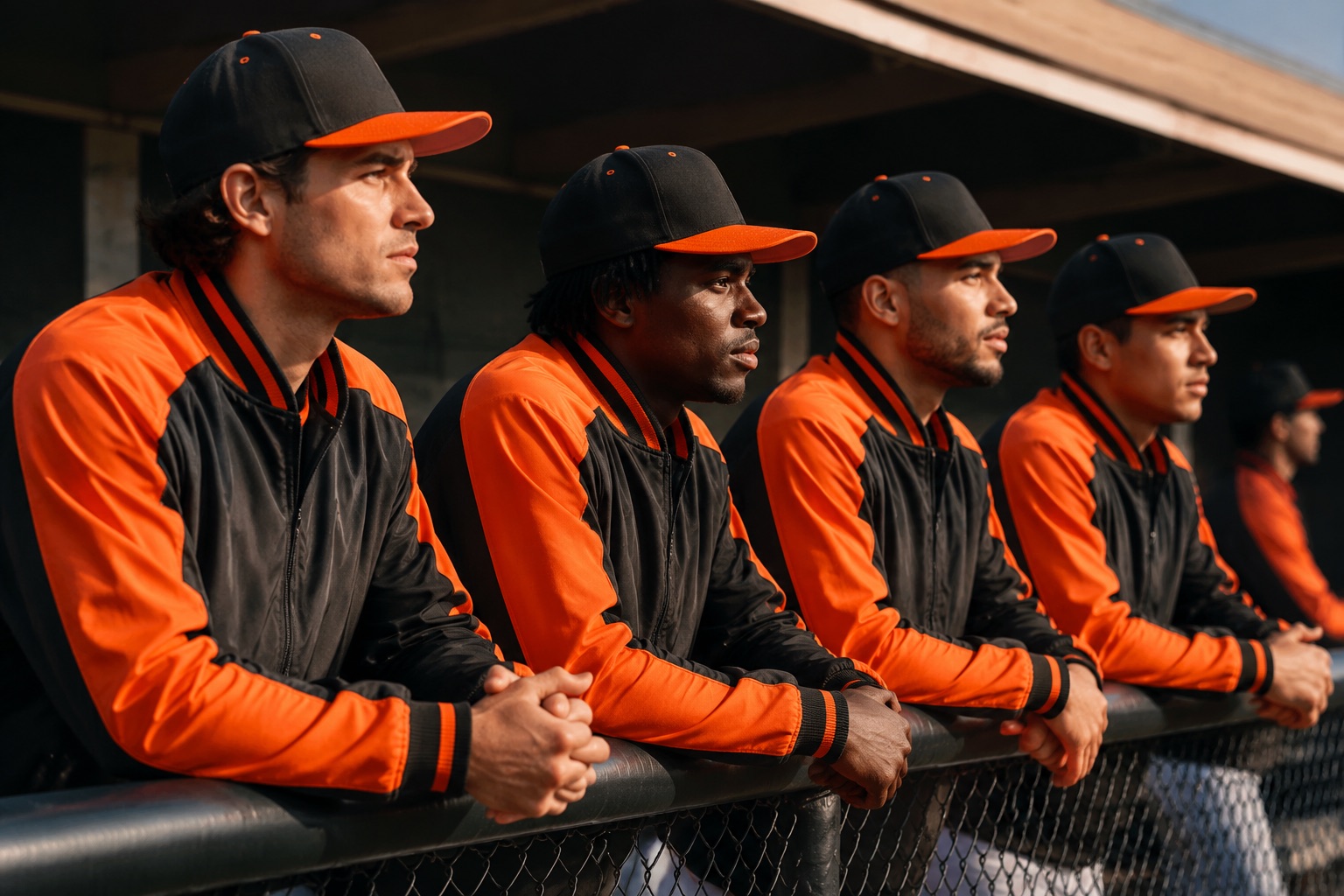
Dugout layers that match
MLB / NFHS / NCAA uniform rules
Baseball Kit Rules We Build To
Baseball’s uniform rules are mostly about not distracting or deceiving the batter, and they fall harder on the pitcher than anyone else. These are the ones that affect how we build a kit.
- Pitcher sleeve restrictions
- A pitcher may not wear white or grey undersleeves, and nothing on the pitching arm that could distract the batter. If your base layer is white or light, order a separate colour for pitchers — it is the single most common uniform violation in the sport.
- No reflective or distracting items
- Uniforms may not carry shiny, reflective or distracting attachments. That rules out metallic foils and high-gloss applications on playing garments, which is one reason we sublimate or embroider rather than apply foil.
- The roster wears one uniform
- All players must wear uniforms of the same colour, trim and style. Mixed dye lots or a late order from a different supplier will show in a team photo — the reason we record your colour standard for reorders.
- Numbers are required
- A visible number is required on the back of the jersey, with heights set by your association. On a busy or pinstriped design this usually needs a solid backing area to keep contrast.
- Choose one pant length
- Knicker-cut with stirrups or full-length is a programme decision, not a player one. A roster split between the two reads as an accident rather than a style — worth settling before the order goes in.
Rules change and competitions add their own. Send your competition handbook with the brief and we will lay the artwork out inside its limits — a routine part of our design step, not an extra.
Custom baseball manufacturing, in detail
Addahar Enterprises manufactures complete custom baseball uniforms for clubs, schools, colleges, leagues and distributors. Baseball asks more of a uniform than most codes: the pants are slid in on dirt, the jersey is worn over a base layer for a three-hour game, and a programme usually needs home and away sets plus batting practice tops across several squads.
The construction reflects that. Pants carry reinforcement at the knee and seat because that is where they fail, not at the seams. Jerseys come as full-button with a real placket or as the lighter two-button pullover, and both are cut with room to rotate through a swing rather than pulling across the back.
One detail worth deciding early is the pant length. Knicker-cut pants worn with stirrups or high socks are the traditional look; full-length pants are more common in recreational leagues. We cut both, but a squad should choose one — a mixed roster looks unintentional rather than classic.
OEM, ODM & Private Label
How we work with you depends on how much of the design you already own. All four routes run through the same factory and the same quality process.
Who We Make For
The garments are the same. The paperwork, pricing and process differ — pick the route that matches how you buy.
Baseball Manufacturing FAQs
The questions we are asked most often, answered straight.
What is the minimum order for custom baseball uniforms?
Sublimated jerseys start at 20 pieces per design and the run can be all different sizes. Full-button jerseys with a real placket and twill lettering carry a slightly higher minimum because of the additional cut-and-sew work.
Full-button or two-button?
Full-button is the traditional look with a proper placket and is what most competitive programmes order. The two-button pullover is lighter, cheaper and popular for youth teams and batting practice. We make both from the same artwork.
Will the pants survive sliding?
They are built for it. We use a heavier warp knit with reinforcement at the knee and seat, because that is where baseball pants actually fail — not at the seams. Tell us if your field is dirt or turf and we will recommend the weight.
Knicker or full-length pants?
Both. Knicker-cut worn with stirrups or high socks is the classic look; full-length is more common in recreational leagues. Pick one for the whole roster — a mixed squad looks unintentional.
Can pitchers wear the same base layer as the rest of the team?
Not if it is white or grey. The rules prohibit a pitcher wearing white or grey undersleeves, so order a separate colour for your pitching staff. We will flag it if your chosen base layer colour would be a problem.
Can you make caps to match the uniform?
Yes — structured six-panel fitted caps with an embroidered front-panel mark, in the same colour standard as the jersey so the cap does not sit a shade off.
Can you add player names and numbers?
Yes. On sublimated jerseys they are printed into the fabric at production. On full-button jerseys, twill lettering sewn on is the traditional finish and we can do that too.
Can you kit out several squads at once?
Yes, and most programmes do. Varsity, JV and development squads can share one design with different colourways, all against a single approved colour standard and one delivery.
Can you produce under our own brand label?
Yes. Under private label we apply your woven neck label, hem tab and care label and pack to your specification, with no Addahar branding on the garment.
How long does a baseball uniform order take?
Samples in 7–10 working days from artwork approval, bulk in 15–20 working days after sign-off, and repeat orders from an existing pattern in 10–14 working days.
Ready to kit out your baseball squad?
Send us your logo, colours and size breakdown. We will come back with a mock-up and a firm price — no obligation.