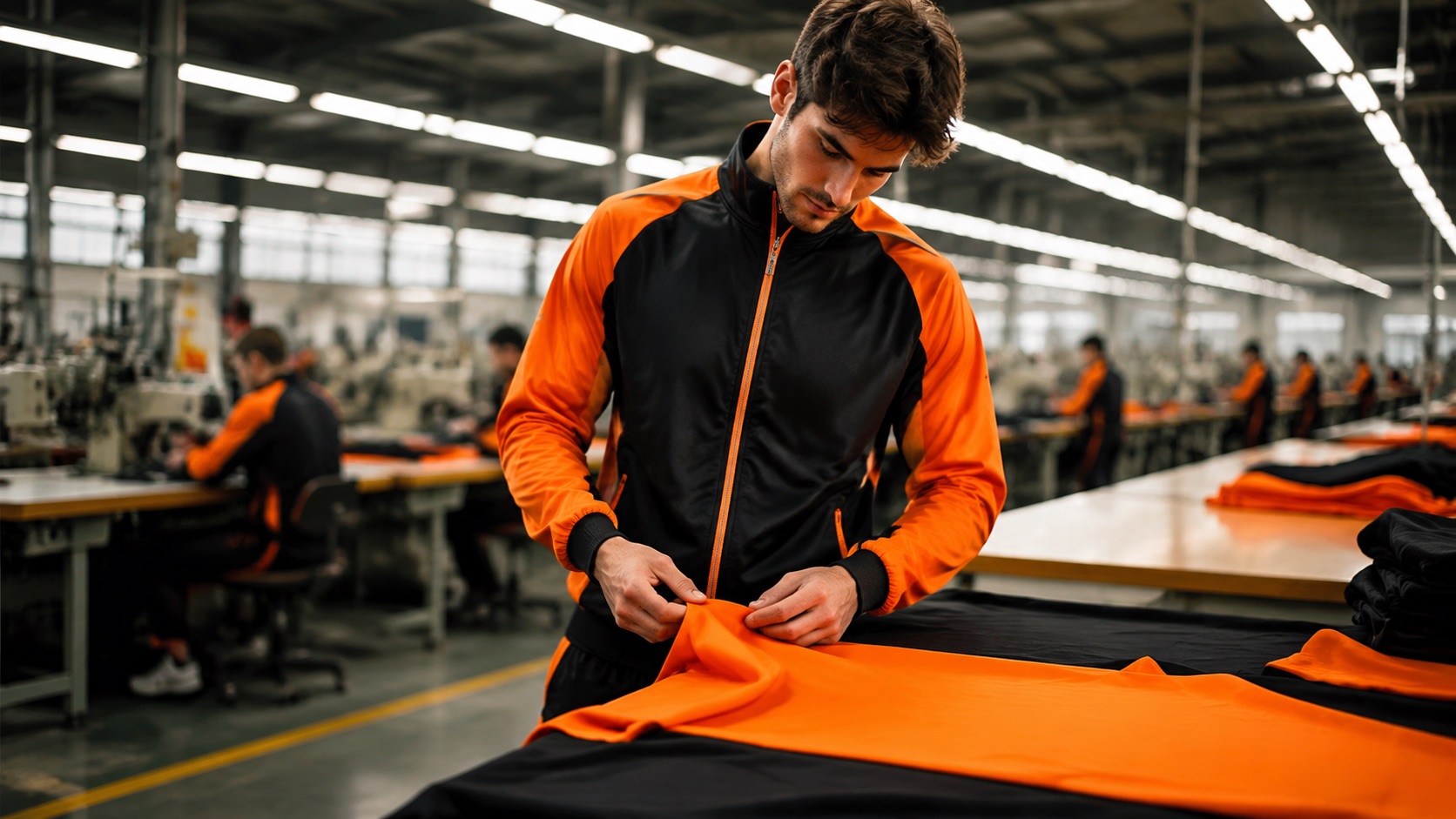
The Pattern Decides Everything
Fabric and decoration get the attention, but fit is what a player notices. Every garment we make starts from a drafted pattern, graded properly across every size — because a 3XL is not a scaled-up small.
- 20
- pieces per design
- Minimum order
- 15–20
- working days
- Bulk lead time
- 7–10
- working days
- Sampling
- 4
- export markets
- Shipping to
What pattern & grading actually is
A pattern is the set of flat shapes that become a garment. Grading is the process of turning that one pattern into a full size run. Both happen in our own pattern room, which is what lets us fix a fit problem in days rather than shipments.
Grading is where most cheap teamwear falls down. Scaling a pattern uniformly — making every measurement 5% bigger for the next size — produces garments that fit acceptably in the middle of the run and badly at both ends. Bodies do not scale uniformly: between a medium and a 3XL, girth grows far faster than shoulder width or sleeve length. Proper grading applies different rules to different points on the pattern.
We can draft from your existing tech pack, from a physical garment you want the fit of, or from scratch against measurements and a description. Most clubs arrive with none of those and simply say what they want it to feel like — that is a normal starting point, not a problem.
Equipment we run
- In-house pattern room
- Digital pattern drafting and grading
- Marker making and fabric-efficiency nesting
How It Works
Every stage below happens under our own roof, which is what keeps a reorder matching the original.
 1
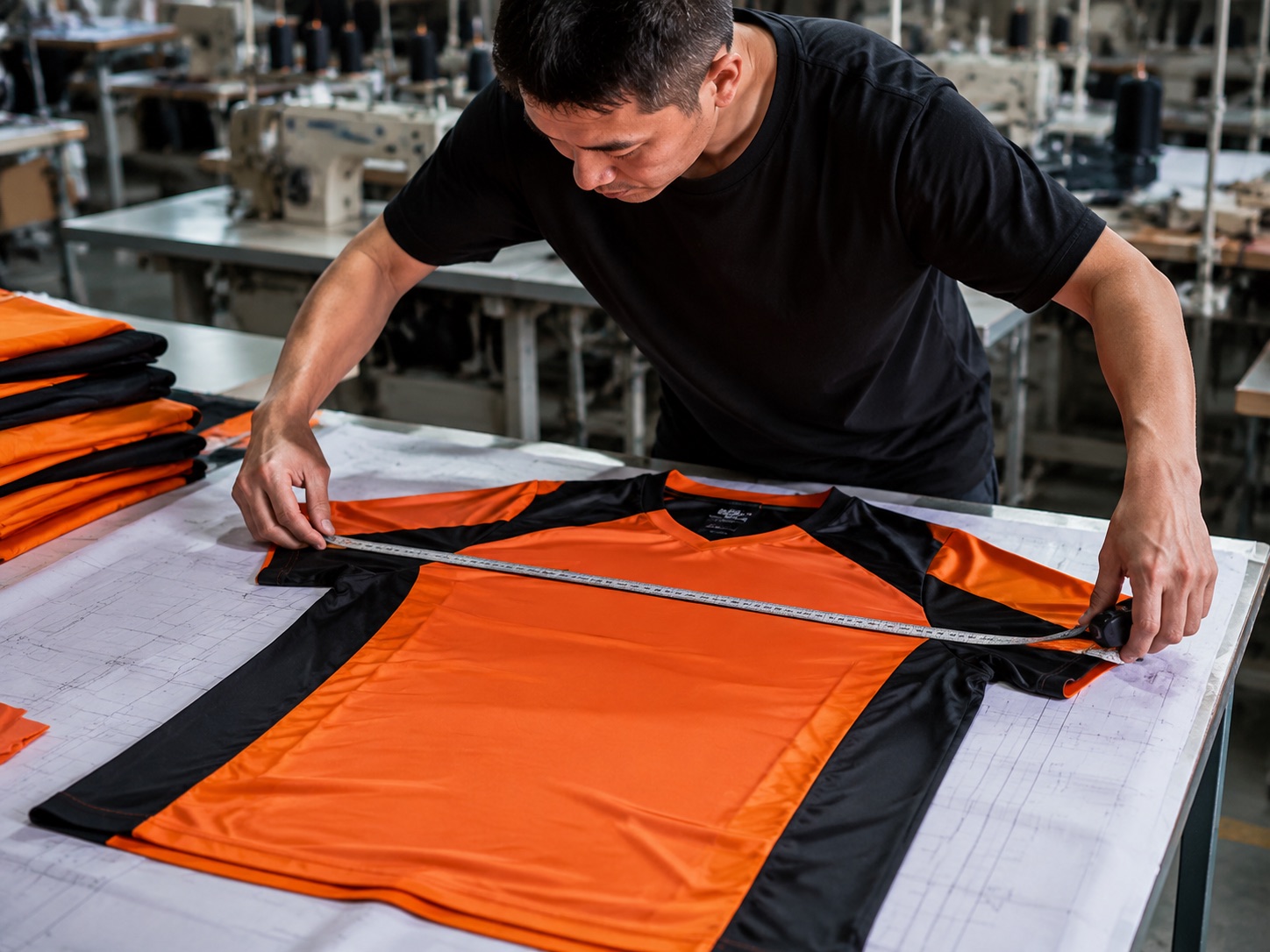
1Measurements & intent
We start from your spec, an existing garment, or a conversation about how it should fit and what market it is for. Fit expectations differ considerably between regions.
 2
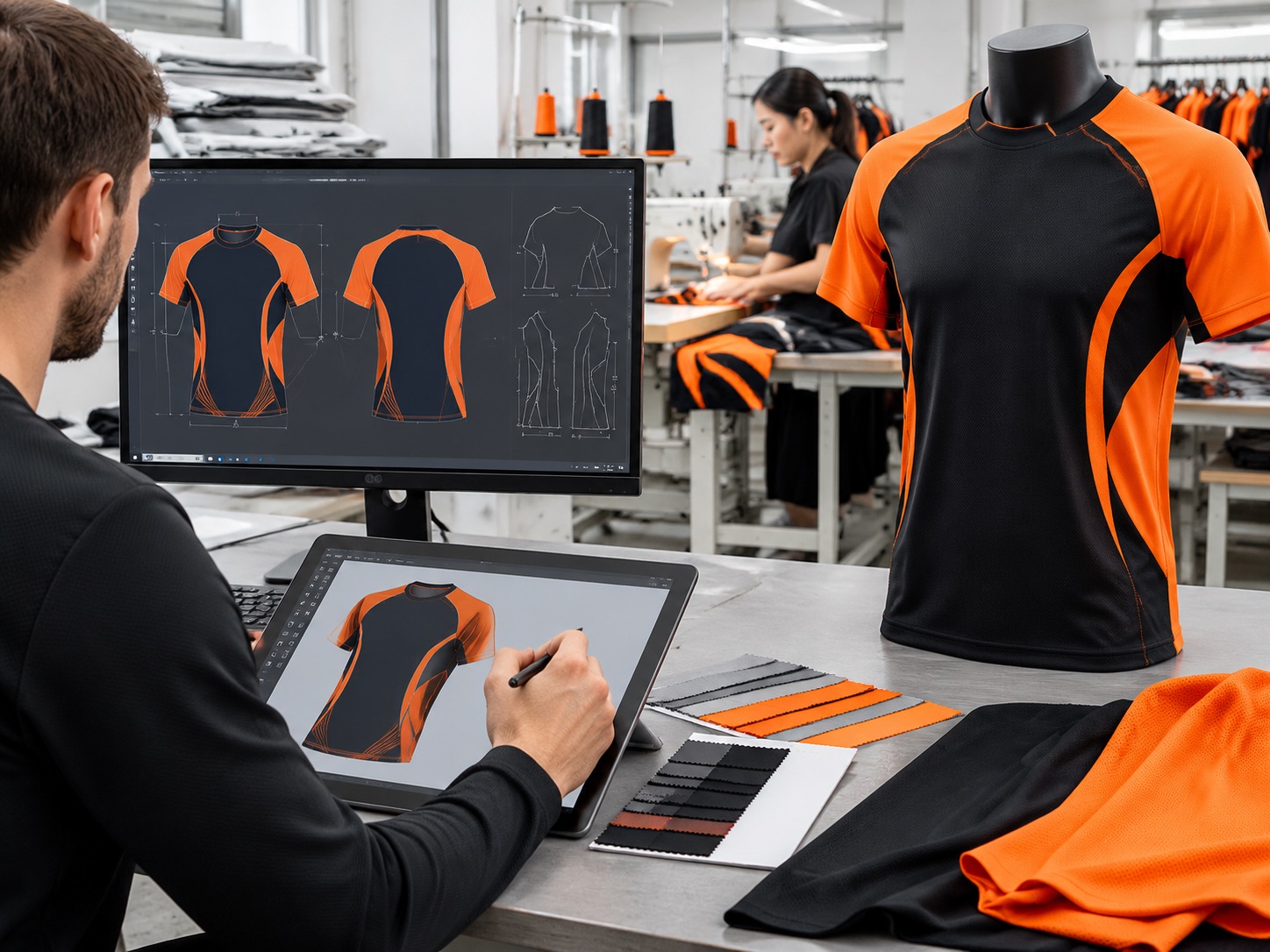
2Draft the base pattern
The block is drafted in one base size, with seam allowances, ease and construction detail specified for every panel.
 3
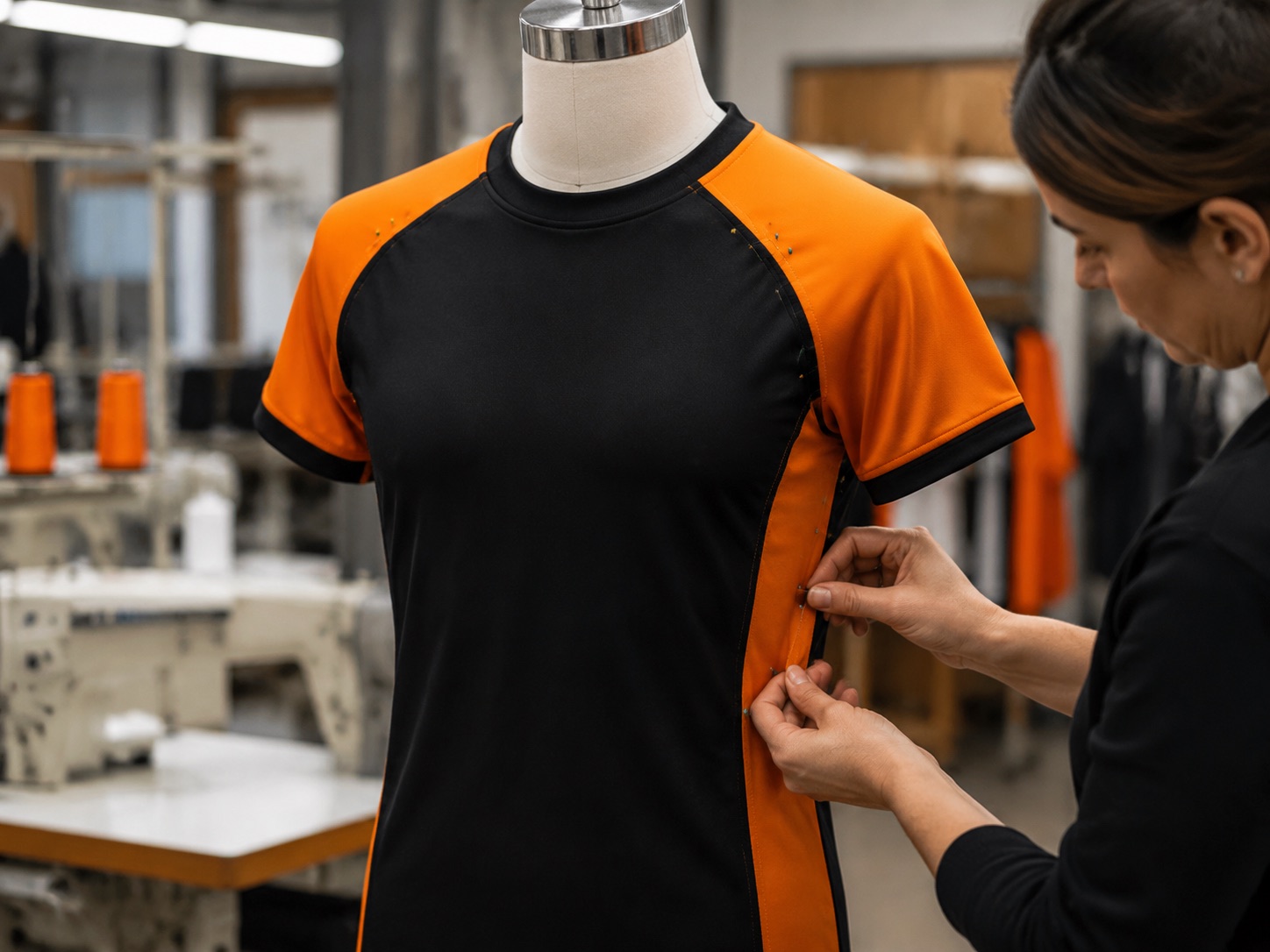
3Fit sample & correction
The block is sewn as a fit sample and assessed on a body. Corrections go back into the pattern before anything is graded — grading a bad block just multiplies the error.
 4
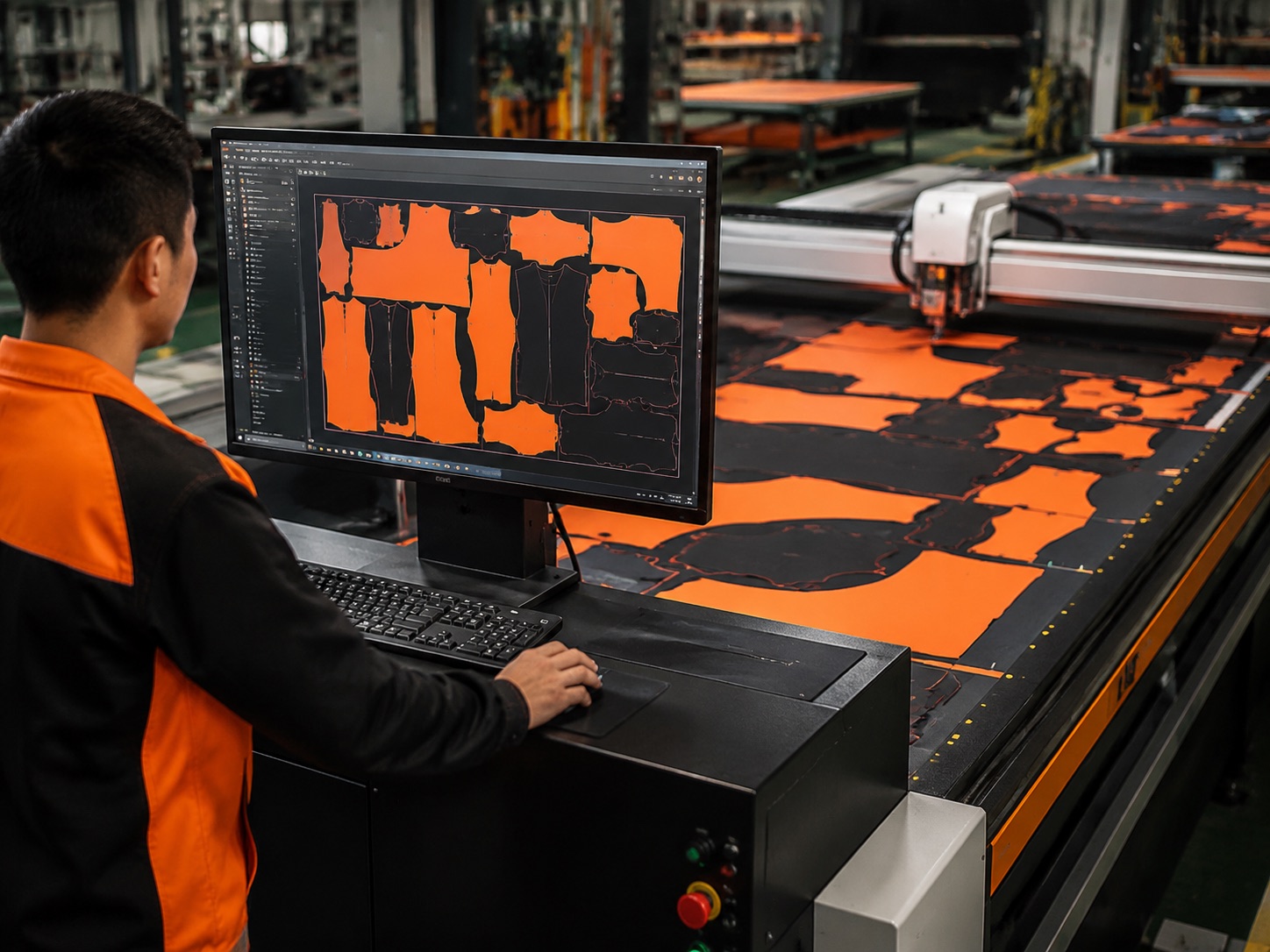
4Grade & nest
The approved block is graded across the size run, then nested into a cutting marker that minimises fabric waste.
Where It Works, and Where It Doesn't
Every method has real limits. Knowing them before you commit is worth more than a supplier telling you everything is possible.
Best for
- Brands who need their own fit rather than a stock block
- Reproducing the fit of a garment you already sell
- Wide size runs where the extremes have to work
- Women's and youth fits that need their own block
- Garments with real construction — gussets, plackets, padded panels
- Anyone planning repeat orders, since the pattern is retained
Not suited to
- Very small one-off orders, where a stock block is faster and cheaper
- Timelines that cannot absorb a fit sample round
- Buyers who want a specific branded blank rather than an original garment
Full Specification
| Property | Specification |
|---|---|
| Drafting from | Tech pack, physical sample, or measurements and description |
| Grading method | Rule-based per pattern point — girth, length and width grade differently |
| Blocks held | Men's, women's and youth, per garment type |
| Fit samples | Sewn and assessed before the block is graded |
| Marker making | Nested to minimise fabric consumption |
| Tolerance | Production measured against the pattern spec at QC |
| Retention | Your graded pattern is kept on file for reorders |
| Ownership | Patterns drafted for you remain available to you |
What to Send Us
Pattern work needs construction information rather than artwork. The more precise you are, the fewer sample rounds it takes — but a photograph and a description is a perfectly workable starting point.
| Requirement | Detail |
|---|---|
| Ideal | Tech pack with a full measurement chart |
| Very good | A physical garment whose fit you want reproduced |
| Workable | Photos, target measurements and a description of the fit |
| Size run | The full range you intend to sell or issue |
| Market | Where it will be worn — fit expectations vary by region |
| We will produce | A tech pack and measurement chart for your approval |
Not sure whether your files will work? Send them over and we will tell you before you commit — see the full artwork guidelines.
Choosing a method
Pattern & Grading Compared
The real decision is whether you need your own pattern at all. For many orders a well-made stock block is entirely sufficient.
- Own pattern vs our stock blocks
- Our blocks are proven and add no development time — right for a club that wants a good kit quickly. A bespoke pattern is right for a brand whose fit is part of its product, or anyone whose size run has to work at the extremes.
- Proper grading vs uniform scaling
- Uniform scaling is quicker and produces garments that fit in the middle sizes and fail at the ends — a 3XL that is too long before it is wide enough. Rule-based grading applies different increments to girth, length and shoulder, which is the only way a wide run fits properly.
- Copying a sample vs drafting new
- Copying a fit you already know works is faster, cheaper and lower-risk, and we do it routinely. Drafting new makes sense when nothing existing is close, or when the garment has construction no stock block covers.
Up Close
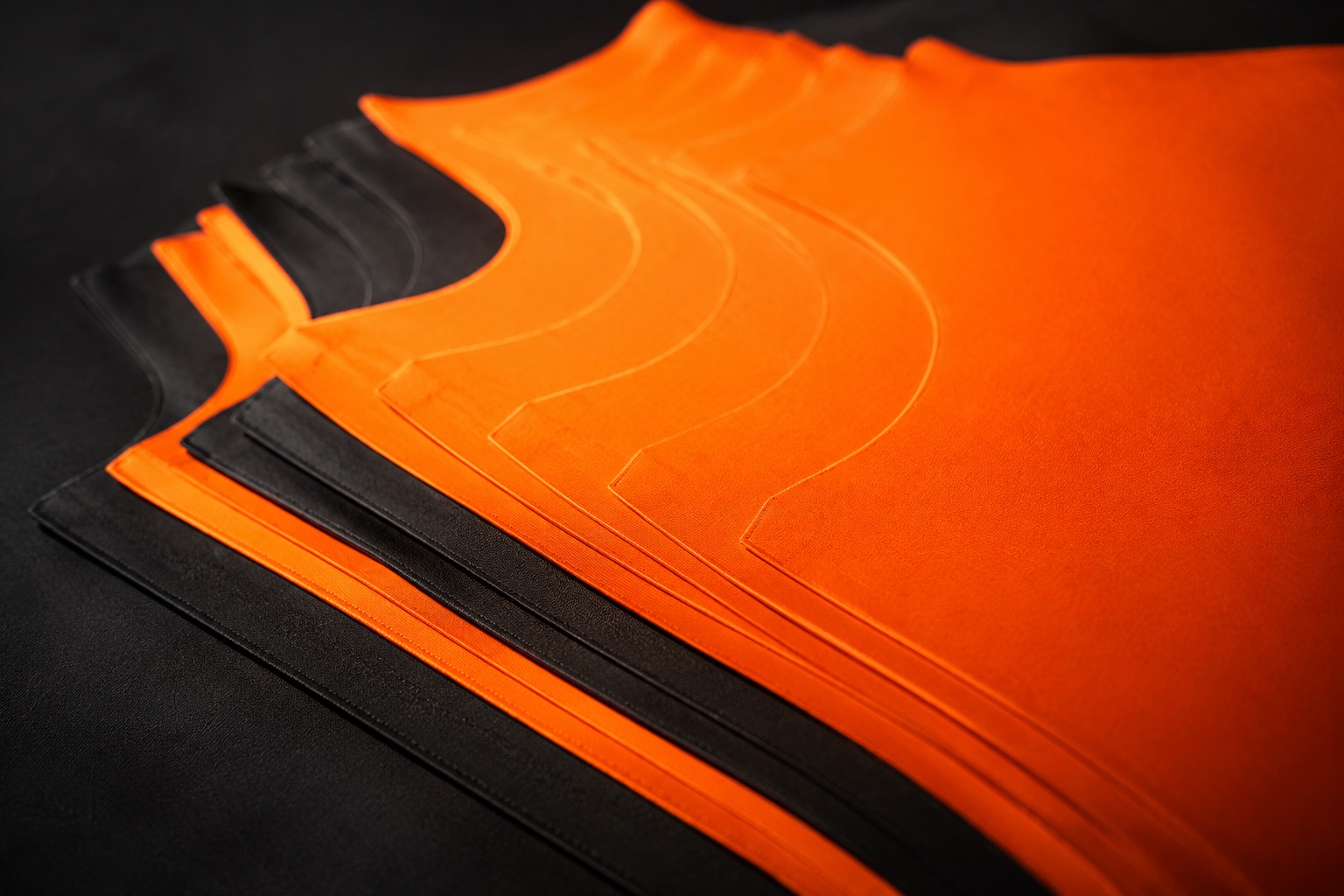
Grade lines, not a scale factor
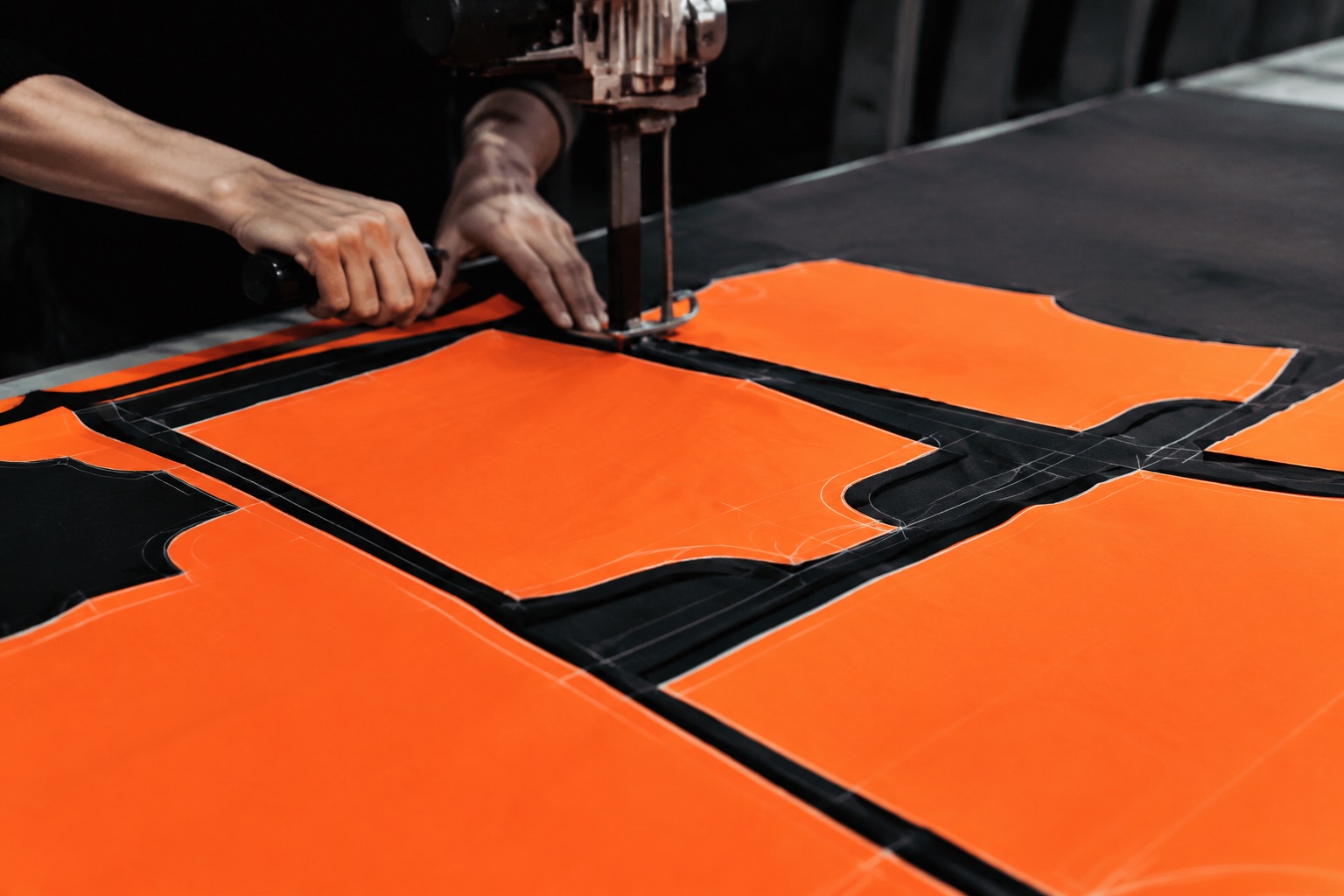
Nested to save fabric
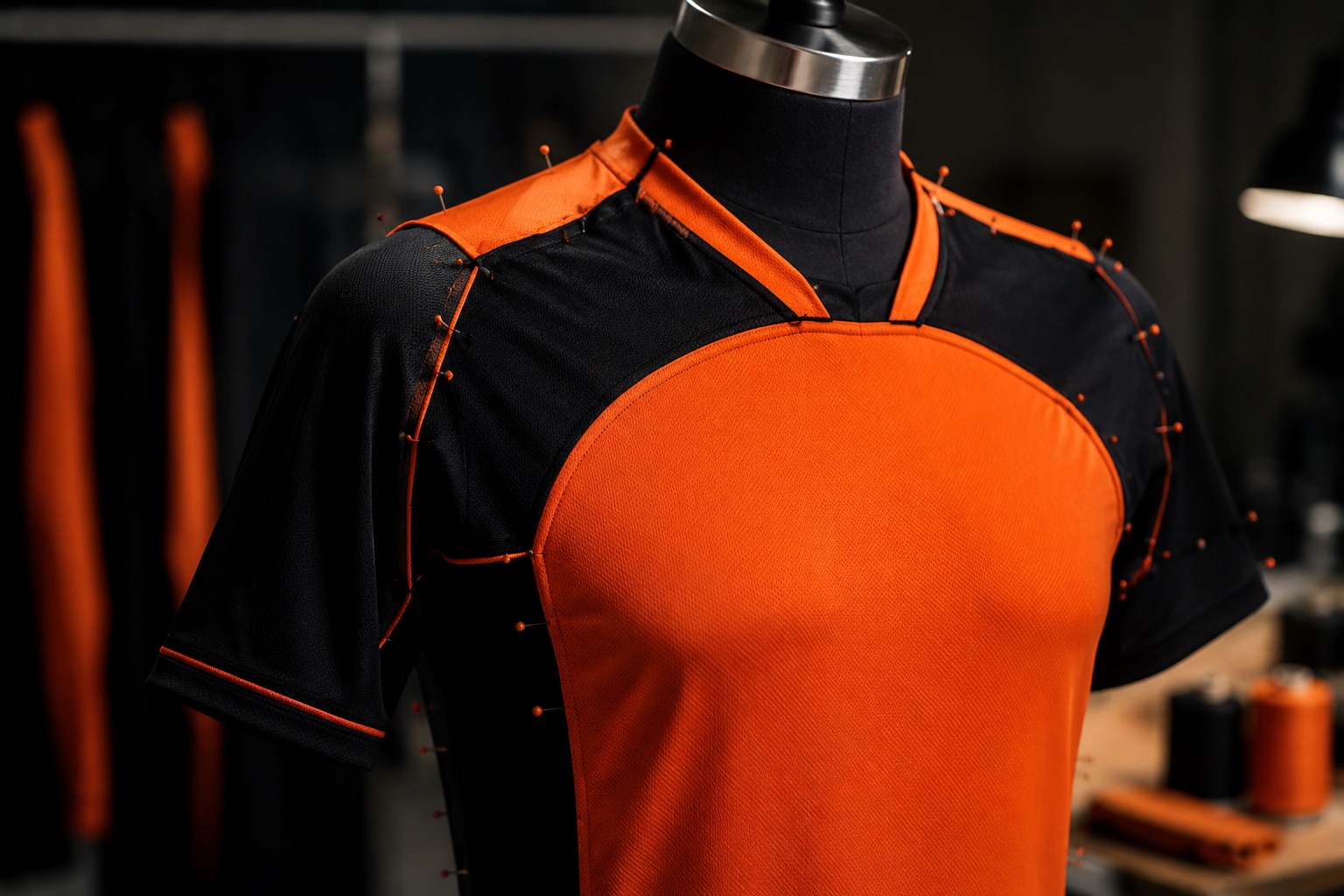
Corrected before grading
Where We Use It
This method is part of the range we build for every sport below.
Pattern & Grading FAQs
What is grading and why does it matter?
Grading turns one pattern into a full size run. It matters because bodies do not scale uniformly — between a medium and a 3XL, girth grows much faster than shoulder width or sleeve length. Uniform scaling gives you a 3XL that is too long before it is wide enough.
Do I need to supply a tech pack?
No. A tech pack makes everything faster and more precise, but most clubs and new brands do not have one. We can work from a physical garment, or from photos and a description, and we will produce a tech pack for your approval as part of the process.
Can you copy the fit of a garment we already use?
Yes, and it is often the most efficient route. Send us the garment and we will pattern from it, adjusting anything you want changed. We will not copy another brand’s protected design or trademarks, but reproducing a fit you know works is standard practice.
Do you hold separate women’s patterns?
Yes. A women’s garment runs on its own block through the shoulder, bust, waist and hip. Scaling down a men’s pattern produces a garment that is narrower everywhere and correct nowhere, and we do not do it.
Who owns the pattern you develop for us?
A pattern drafted specifically for you stays available to you — it is kept on file so reorders run from the same block and come back identical. It is not held hostage against future orders.
Why do you need a fit sample before grading?
Because grading a flawed block just reproduces the flaw in every size. Correcting the base pattern first means one fix rather than eight, and it is the difference between a size run that works and one that only works in the middle.
What is marker nesting and does it affect my price?
A marker is the layout of pattern pieces on the fabric roll before cutting. Nesting them efficiently reduces how much fabric your order consumes, and fabric is usually the largest single cost — so yes, it affects your price directly.
Need pattern & grading on your next order?
Send us your artwork and quantities. We will confirm whether this is the right method for your garment — and tell you if it isn't.